Article and images by Imogen Wadlow
Introductions at academic conferences tend to follow a familiar pattern; researchers quickly identify themselves as either a modeller or an observational scientist, followed by the topic of their current work. The specialisation of skills required in research tend to reinforce this division, with most scientists gravitating towards one approach or the other, and some dabbling in-between. Despite this separation, scientists vehemently agree on the critical need to bridge these two communities. Modellers depend on observations to validate simulations and to identify limitations in their representations of atmospheric processes. Observational scientists provide the measurements which can improve the understanding of physical processes, or reveal those which are absent from model parameterisations. The relationship is reciprocal: modellers need observations to ensure simulations are grounded in reality, while observers need guidance from models to prioritise which measurements will most effectively constrain poorly-understood processes to ultimately reduce uncertainty.
The scientific community has been making strides in fostering productive dialogue between these communities through collaborative research projects and cross-disciplinary workshops and meetings. As this culture of collaboration strengthens, an important question emerges: how can early-career researchers contribute to and benefit from this exchange? One powerful way to enrich this connection is for modellers to become involved directly in fieldwork.
Even if you are fully committed to the modelling side of research, participating in field campaigns offers invaluable insights that cannot be gained from working with datasets alone. Firsthand experience with instrumentation deepens your understanding of the practical realities of the measurements, ultimately improving your skills as a scientist. As someone who works at the intersection of both communities, having spent considerable time operating and maintaining instrumentation in the field over numerous campaigns as well as interpreting atmospheric model data, I have found that this dual perspective fundamentally shapes how I approach research.
Becoming familiar with the instruments that generate the data you use in your model validation provides vital context for interpretation. Each instrument has strengths, weaknesses and sampling limitations that are well understood within the observational community, but often get lost in translation when unfamiliar users download the data online. For example, while an instrument may report data on a broad range of aerosols measured, observers may know which areas of that range are most reliable. These nuances can profoundly affect how you may choose to use and interpret the data.
You will also develop critical insights into recognising that observations are themselves interpretations rather than absolute truths. Measurements represent a particular sampling of reality through a specific technique. For example, we never directly measure temperature. Instead, we often measure a change in voltage or resistance, which are then converted to the units you recognise through specific calibration functions. This perspective, which I emphasise when teaching observational science to undergraduates, provides a crucial understanding of one of the inherent uncertainties in measurements.
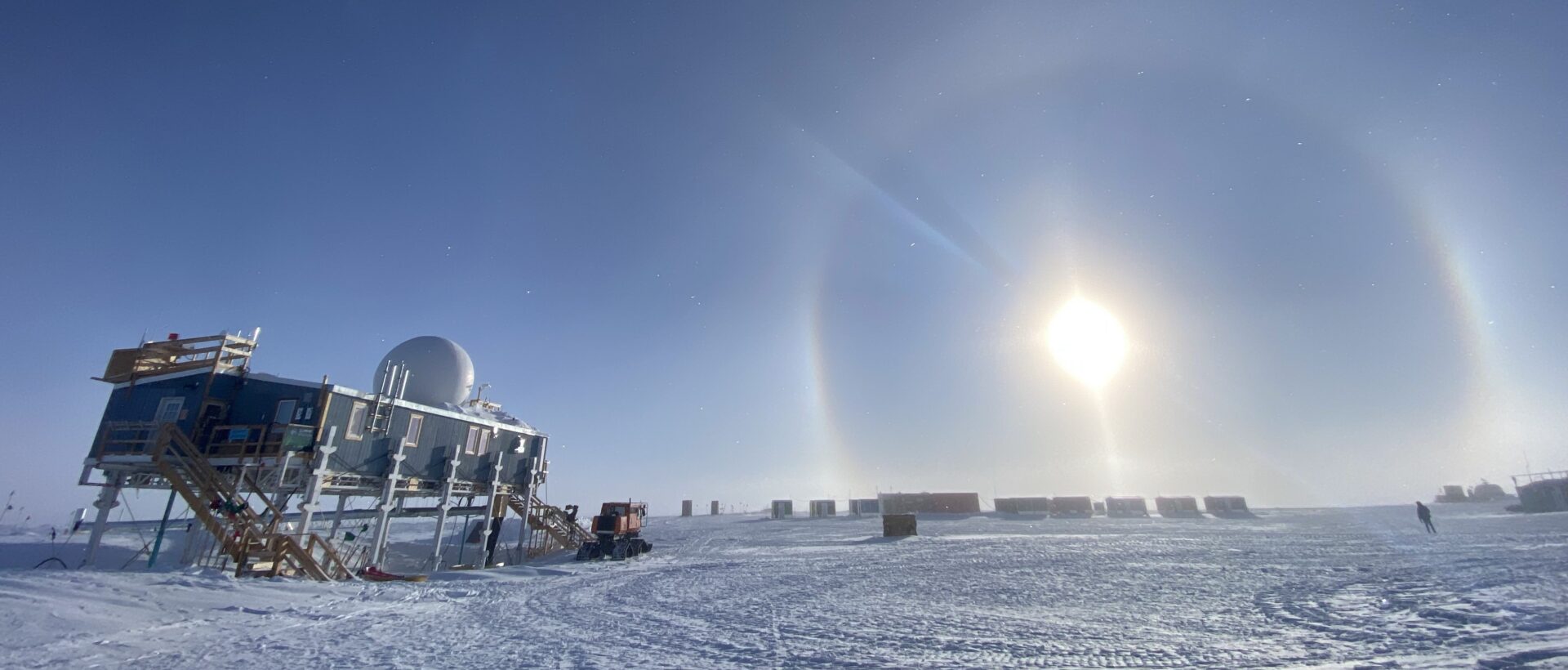
Appreciating the fallibility of instrumentation is key. Unlike models, scientific instruments require maintenance at regular intervals, and are susceptible to something known as drift. This describes a gradual deviation in measurements over time due to aging and environmental factors, necessitating frequent calibration of equipment. For example, on my to-do list while deployed on the Greenland Ice Sheet was calibrating an instrument with known standards. Watching the analysis software show a lonely calibration peak far away from where the instrument thought it should be particularly drove this message home. After some careful tinkering with a toolbox, I made a note that this dataset prior to calibration would need extra scrutiny during data processing post-campaign.
During this post-processing stage, choices are made that may or may not align with your specific scientific questions. Quality control procedures can utilise multiple sources of measurements to screen for certain conditions, such as periods of local pollution. Understanding these techniques can help you to navigate these decisions more effectively and ultimately determine which observational dataset is most appropriate for your research. (When in doubt, reach out to the data owners if you are not familiar with the measurements! They will likely be thrilled that someone is using their published data and can provide valuable guidance.)
Participating in fieldwork also gives you a deep appreciation for the extraordinary effort required to generate the datasets that modellers can easily download online. Behind each measurement are vast teams of people coordinating logistics, administration, planning and permits, observers spending long days collecting data, monitoring and fixing instruments, and scientists conducting the complex yet essential quality control and processing after the campaign ends. Once you too have spent hours diagnosing and fixing an instrument that is acting up after being thrown around on a ship rolling through heavy seas, you develop a different perspective on data gaps. The missing section in a dataset is not just an inconvenience, it represents someone’s exhausting troubleshooting session in likely challenging conditions. This context makes you not only more sympathetic to observational limitations, but also more thoughtful about how you interpret and use the data in your models.
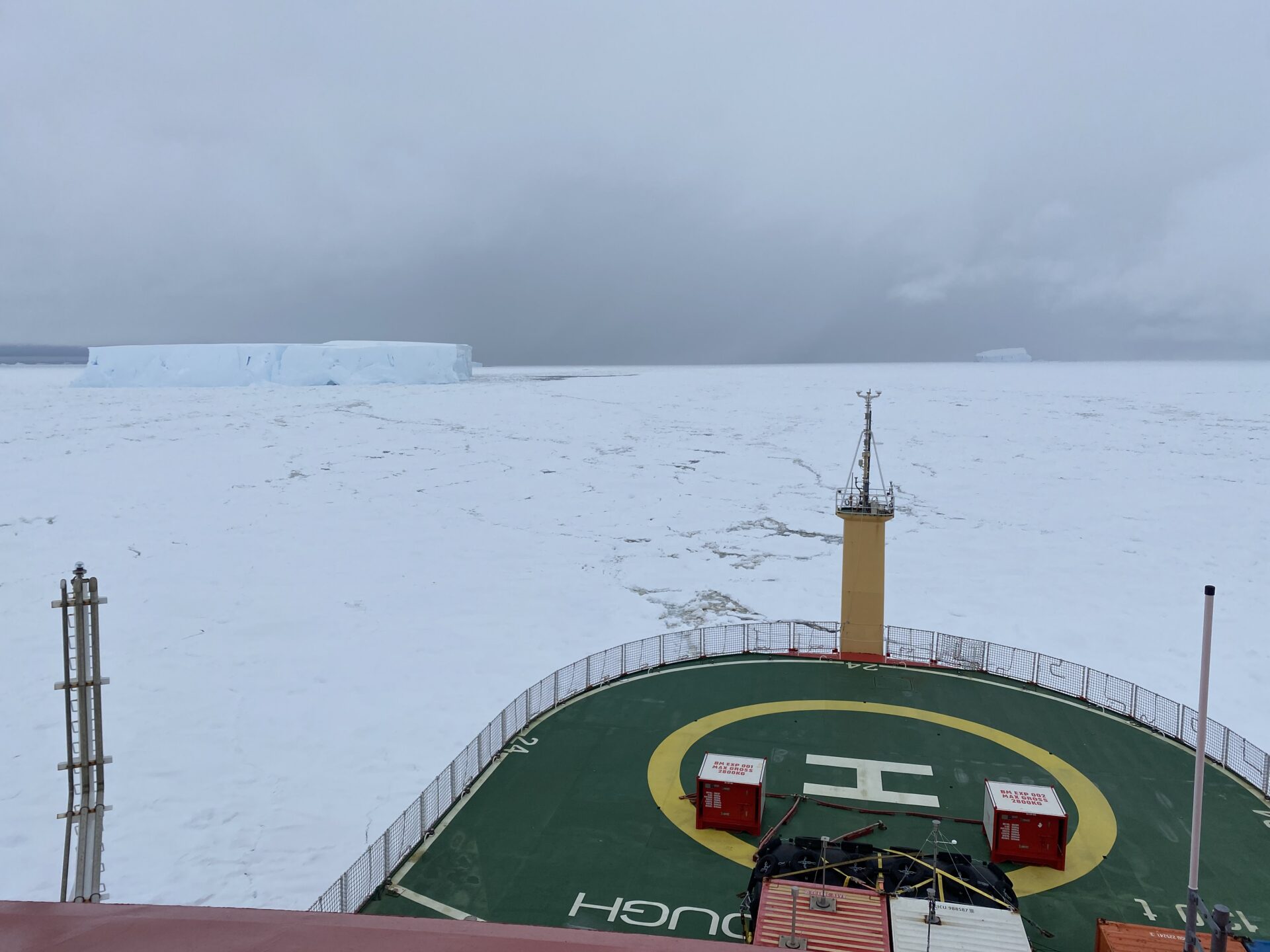
Finally, do not forget the importance that your expertise as a modeller can bring to the observational community. Your perspective may provide valuable insight and enable greater overall scientific output of a campaign. As a modeller, you are uniquely positioned to identify measurement gaps and advocate for specific instrumentation to be included in future observational suites. After one campaign where I spent two months in the Southern Ocean managing over 15 instruments, I only realised during my subsequent model analysis how much more informative my work would have been if we could have included one additional instrument. (That instrument is now firmly on my wish list for the next campaign).
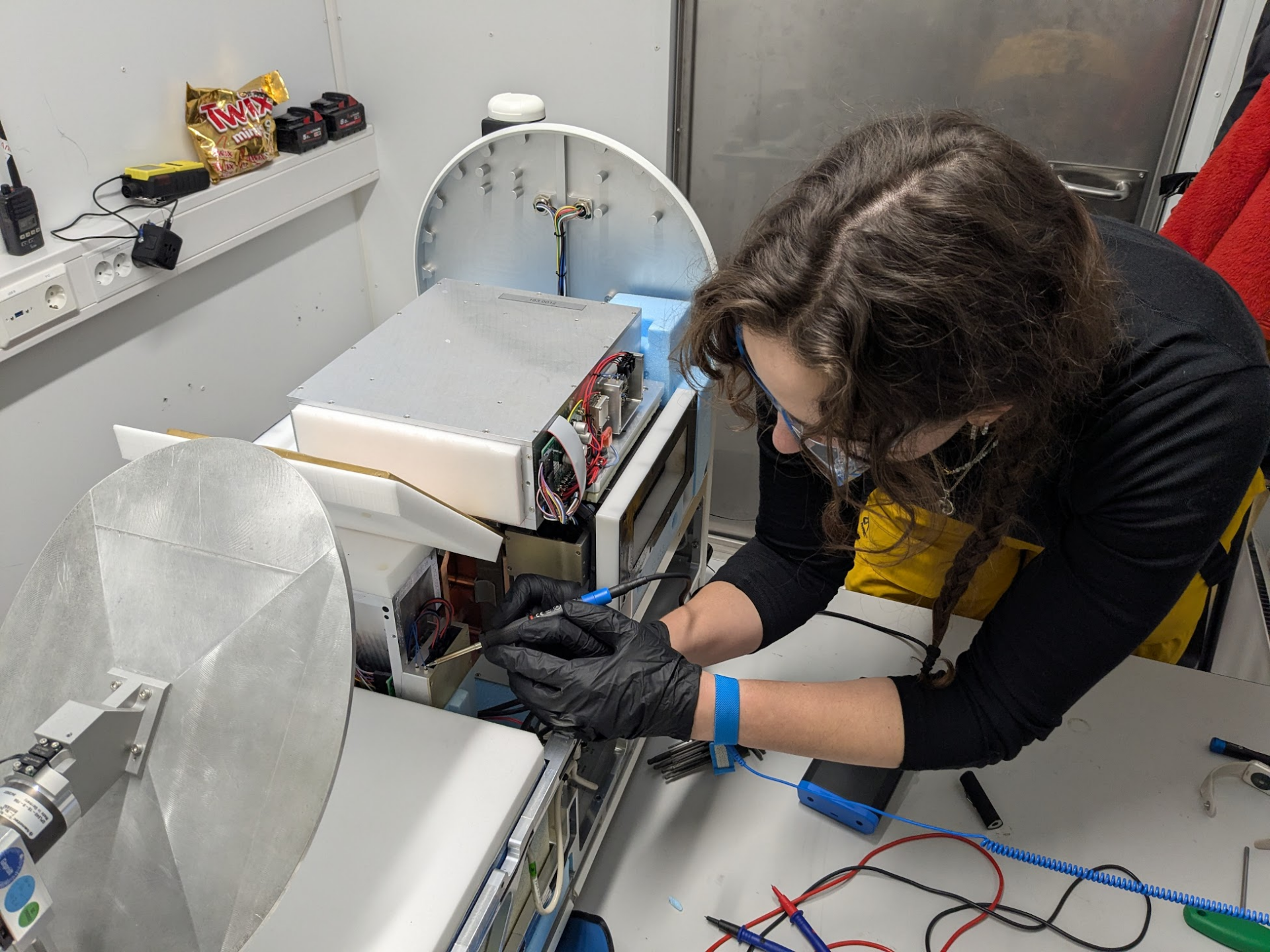
Getting familiar with how an instrument operates on deployment with the TONe-ICO project/Norwegian Polar Institute
To those of you finding yourself of a more modelling persuasion, I would encourage you to reach out to your observational community. Most field campaigns do need experienced technicians to meet the demands of the project, but you might be surprised at the opportunities available – some campaigns simply need keen and motivated people willing to help. Field schools and research ship cruises are often designed specifically to foster this kind of cross-community dialogue, and I would highly encourage you to seek them out and apply. Your experiences in observational science will make you not only an informed and knowledgeable modeller, but also a well-rounded scientist and a more thoughtful collaborator and colleague.
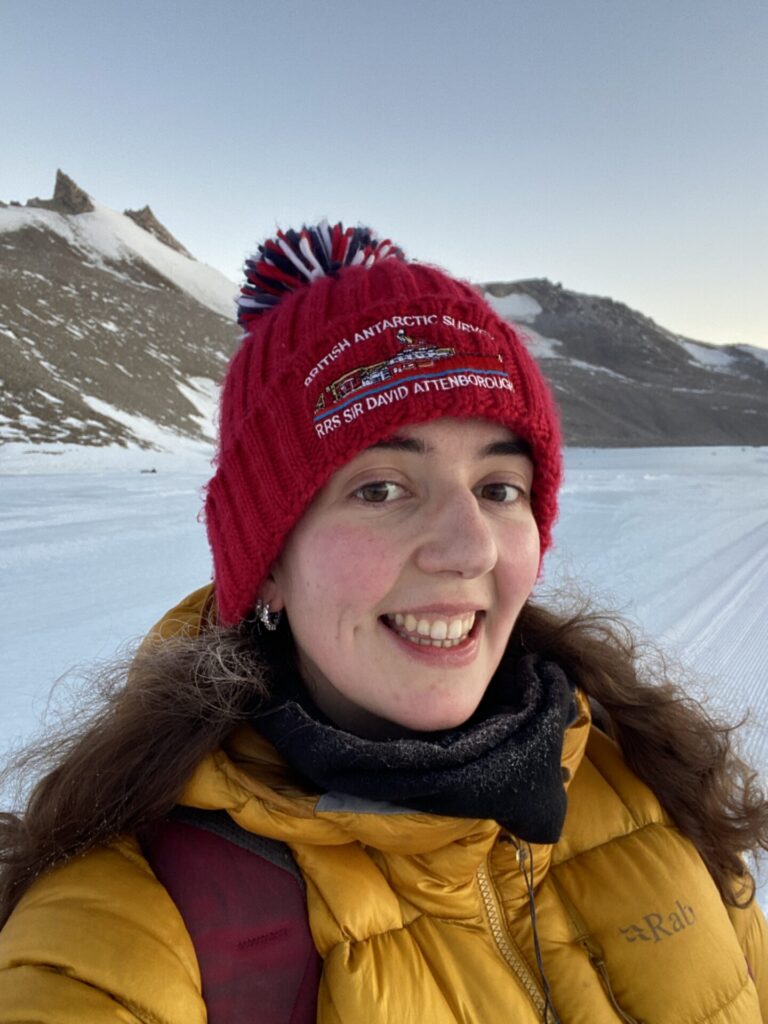
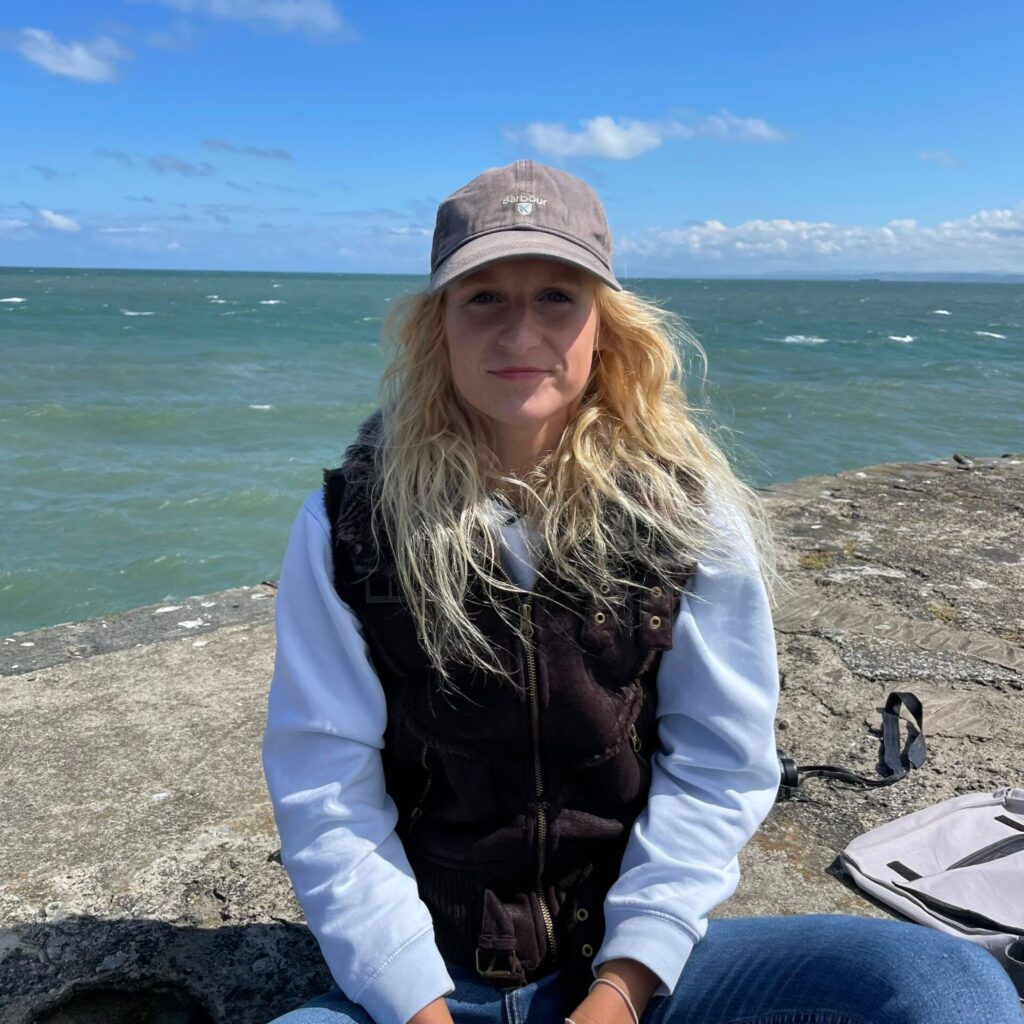
Imogen Wadlow is a 4th year PhD student using observations to constrain the representation of Arctic aerosols in a global climate model. She has been involved in several polar field campaigns, including supporting aerosol measurements at Summit Station, Greenland with the ICECAPS-ACE project, measuring Ice Nucleating Particles in Antarctica with the SOC campaign, and installing surface radiation and remote-sensing instrumentation at Troll Station, Antarctica as part of the TONE-ICO project. Here, she reflects on her experiences across field campaigns and discusses the value of observational experience for atmospheric modellers.