
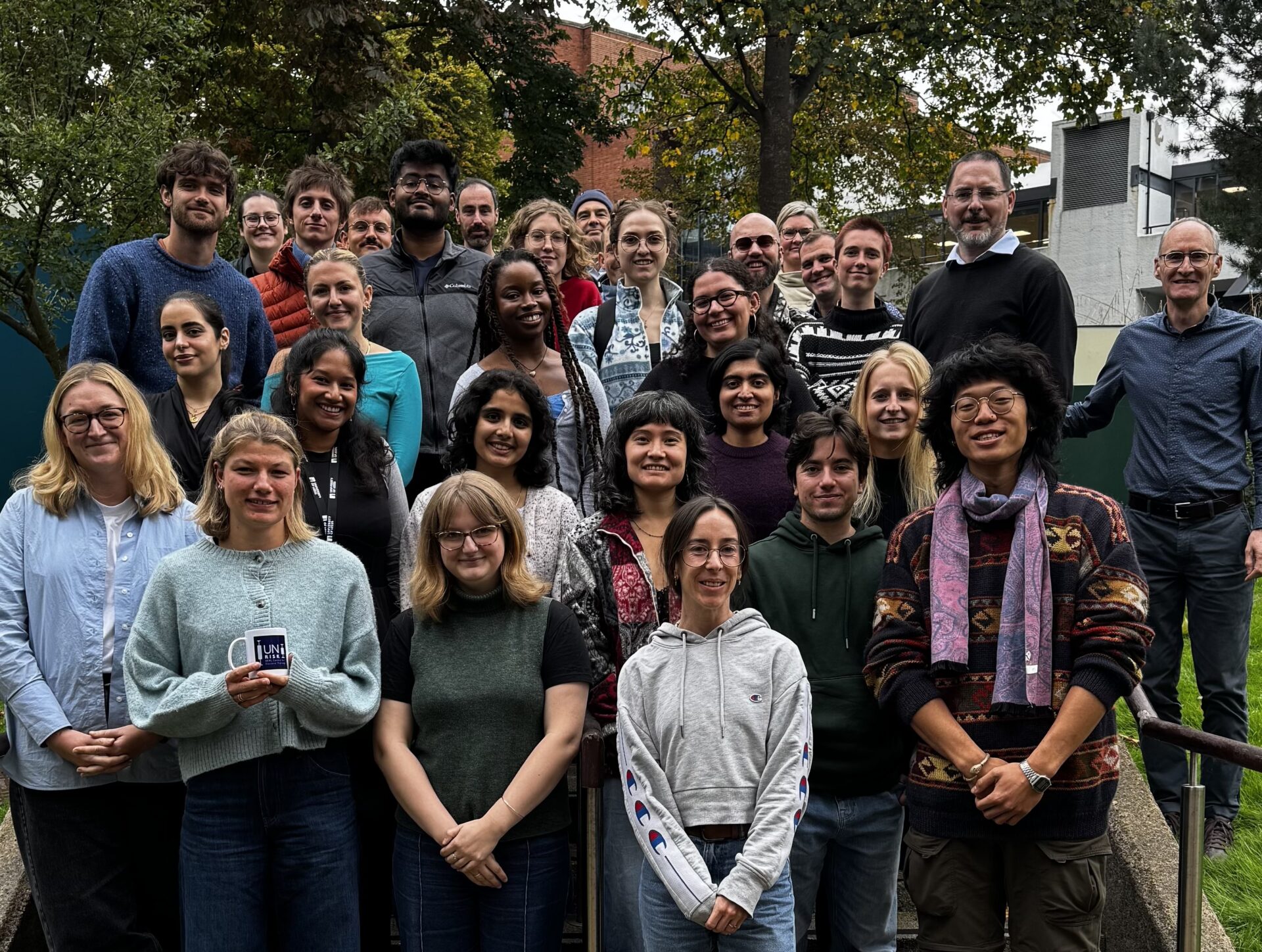
New UNRISK students – 2026 cohort

Group photo of the UNRISK students (both cohorts) at induction, October 2026

The second cohort of UNRISK students have arrived to start their PhD programme.

There are 14 students:

-9 at Leeds

-3 at UCL

-2 at Exeter

Projects are listed below. Click here for full profiles

-Quantifying climate projection uncertainty arising from the signal-to-noise paradox
-Harnessing chaos to estimate climate hazards
-Freezing Points: Ice Nucleation Experiments, Climate Intervention, and the Politics of the Sky
-Climate Change and Uncertainty in Catastrophe Modelling: Aligning UK Flood Risk Perceptions with Reality
-Climate change adaptation targets and indicators under uncertainty
-African heatwaves in a warmer world: risks, impacts and adaptation
-Expert judgement and communication of uncertainty in the production of climate information
-Reducing uncertainty in glacial lake outburst flood (GLOF) risk and decision making
-Uncertainty and Predictability of Rainfall for Agricultural Planning in Kenya
-Advanced Machine Learning Techniques for Quantifying Uncertainty in Climate Impact -Assessment on Biological Systems
-Quantifying uncertainty and outlining plausible futures for compound heat-health risks
-Forecasting the ecosystem and biogeochemical responses to sea ice change in the Southern Ocean
-Uncertainty in climate change and its impact on earthquake risk
Space-time extreme value models for heatwaves under different climatic conditions
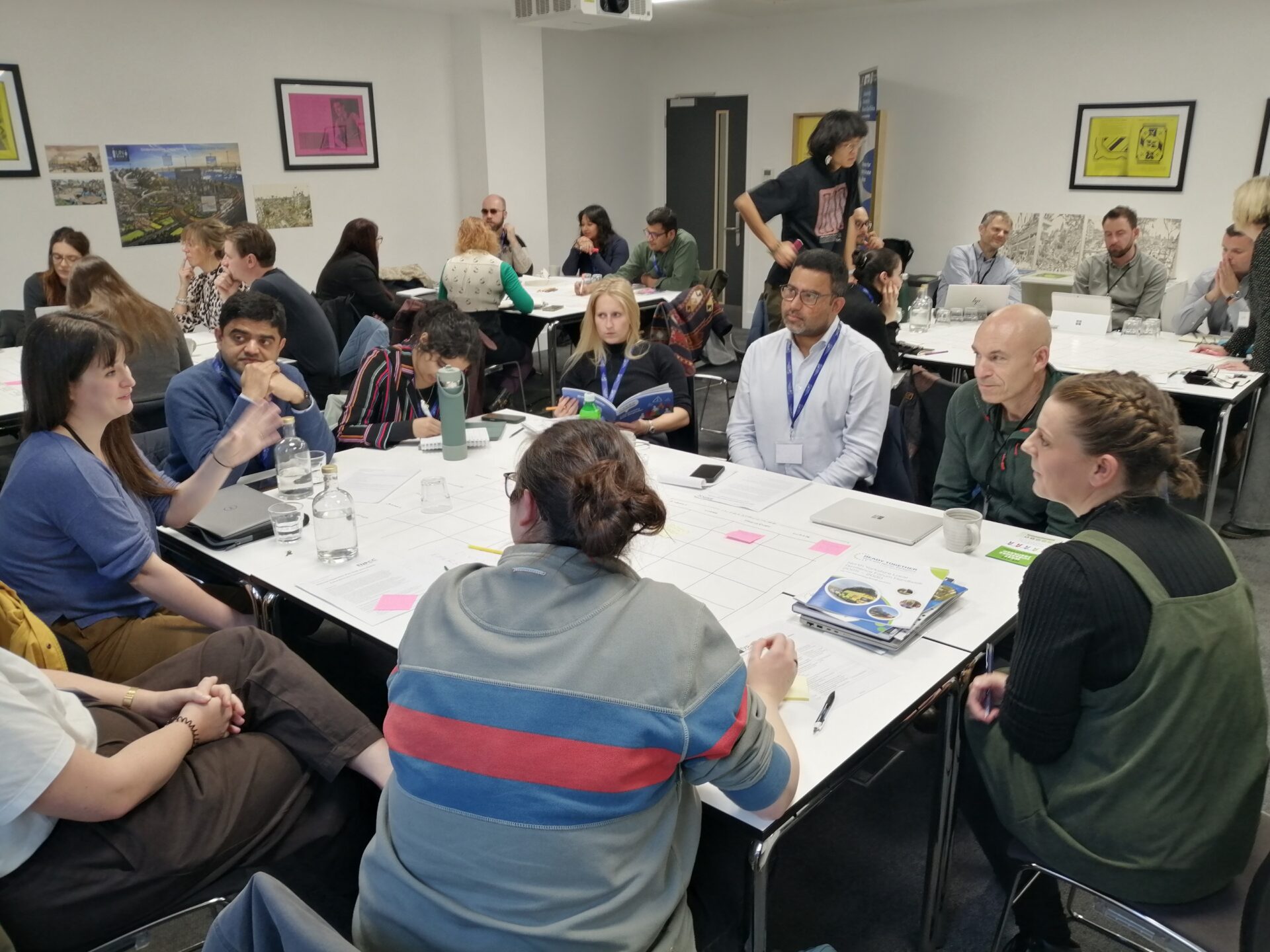

Future Policing Workshop 03/11/26

UNRISK students in discussion with policing staff

UNRISK PhD students from Leeds, UCL and Exeter contributed to an UNRISK-hosted workshop on Future Policing on 3rd November 2026, held at Cloth Hall Court, Leeds.

Police staff had contacted UNRISK about engaging with the National Adaptation Plan 4, in which the police sector is included for the first time, with statutory responsibility for actions to deal with climate change impacts.

The event was developed in collaboration with TYP-ACE (The Yorkshire Policing Academic Centre of Excellence) which is funded by UKRI and the police sector, with TYP-ACE academics being based in the School of Law.

After a keynote talk from Jason Lowe of the Met Office, round-table discussions took place with the group on each table dealing with a key theme: Crime, Emergencies, Operations and Infrastructure.

UNRISK students represented relevant topics from their PhD projects on e.g. communication of uncertainty, uncertainties around heatwave modelling, and catastrophe modelling of flood risk. Dr Stephanie Bond, an UNRISK academic supervisor from the School of Geography at University of Leeds, shared resources and tools developed through iCASP (Yorkshire Integrated Catchment Solutions Programme) designed to support effective communication during floods and other emergencies, helping to strengthen community resilience.

Police staff included representatives of North, South and West Yorkshire police, the National Police Chief’s Council (NPCC), West Yorkshire Local Resilience Forum (WYLRF) and Bluelight Commercial (police procurement).

The event was part of a series of engagement activities by the police, and will hopefully lead to some fruitful research collaborations. It was also an excellent engagement opportunity for students to discuss climate change impacts, risks and uncertainty with stakeholders who have to make big decisions using climate data, under real-world pressures.