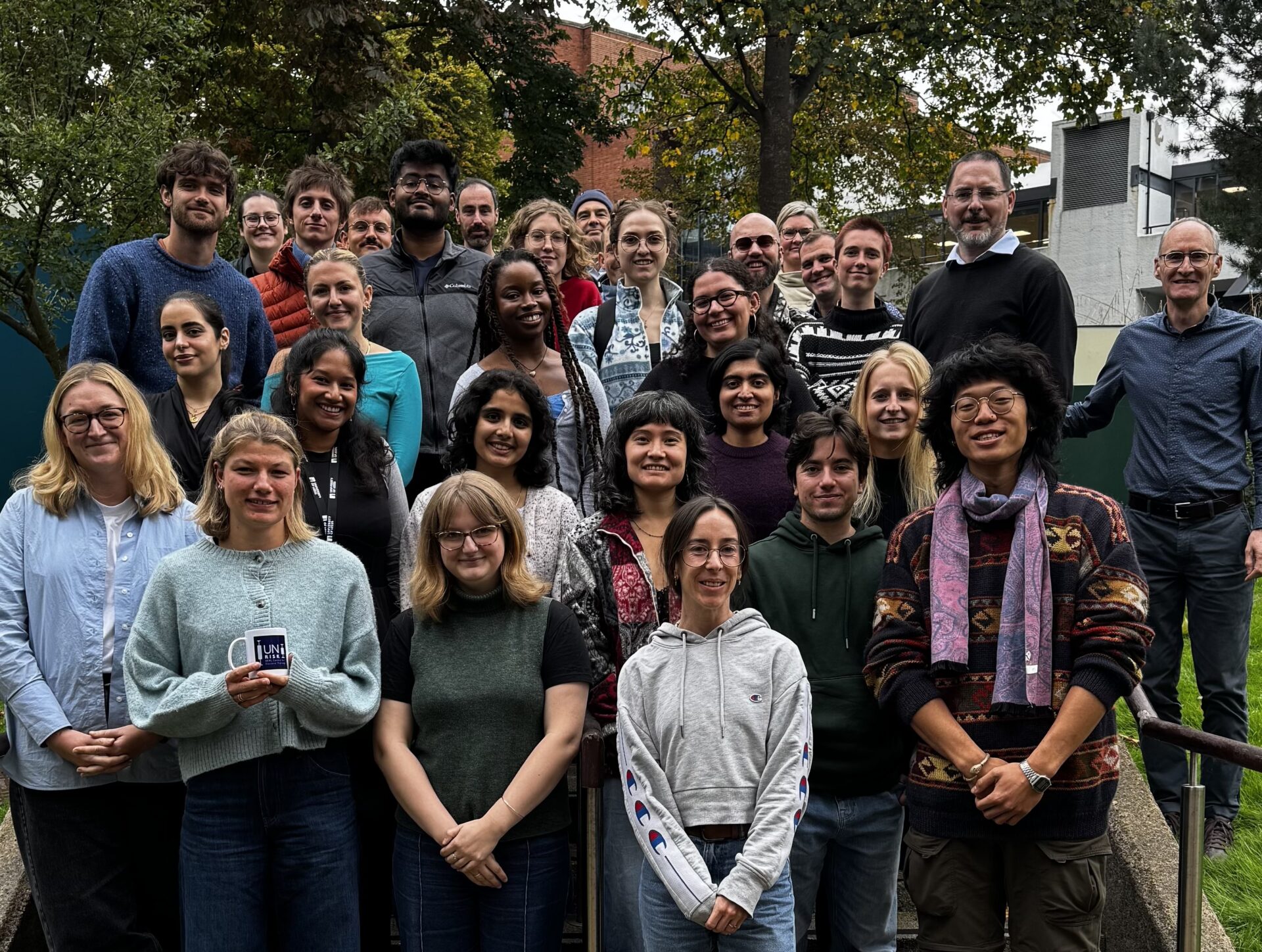
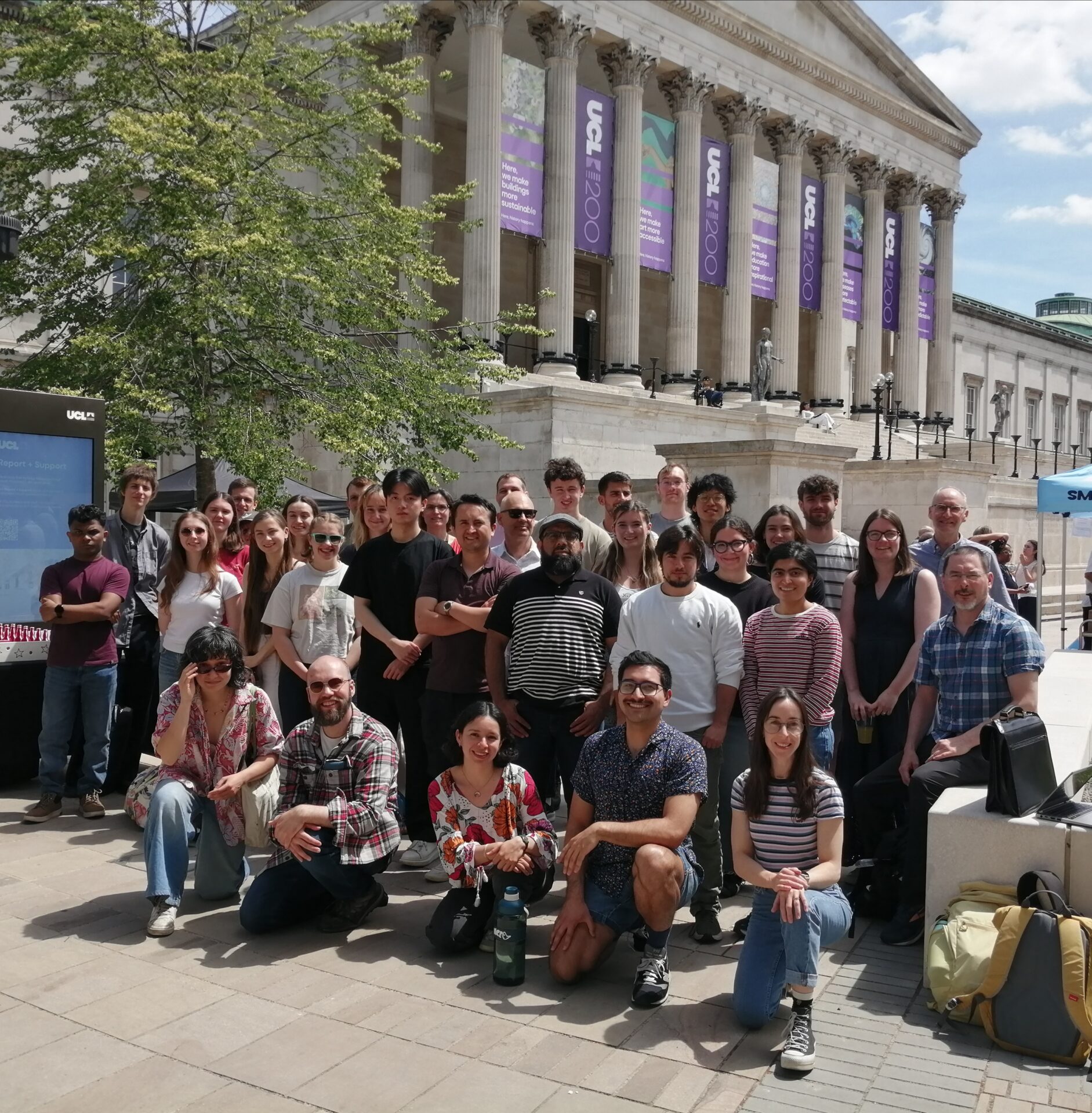
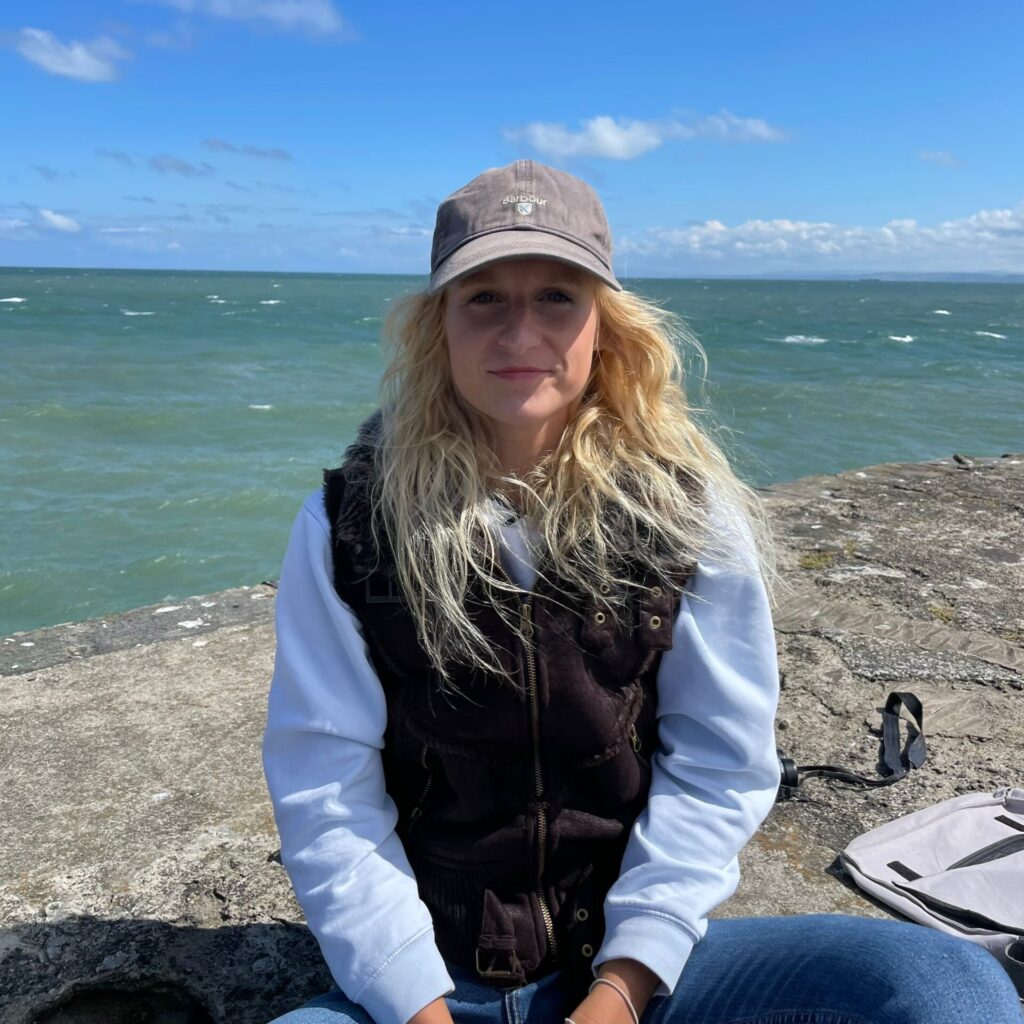
Group photo of the UNRISK students (both cohorts) at induction, October 2026
The second cohort of UNRISK students have arrived to start their PhD programme.
There are 14 students:
-9 at Leeds
-3 at UCL
-2 at Exeter
Projects are listed below. Click here for full profiles
-Quantifying climate projection uncertainty arising from the signal-to-noise paradox -Harnessing chaos to estimate climate hazards -Freezing Points: Ice Nucleation Experiments, Climate Intervention, and the Politics of the Sky -Climate Change and Uncertainty in Catastrophe Modelling: Aligning UK Flood Risk Perceptions with Reality -Climate change adaptation targets and indicators under uncertainty -African heatwaves in a warmer world: risks, impacts and adaptation -Expert judgement and communication of uncertainty in the production of climate information -Reducing uncertainty in glacial lake outburst flood (GLOF) risk and decision making -Uncertainty and Predictability of Rainfall for Agricultural Planning in Kenya -Advanced Machine Learning Techniques for Quantifying Uncertainty in Climate Impact -Assessment on Biological Systems -Quantifying uncertainty and outlining plausible futures for compound heat-health risks -Forecasting the ecosystem and biogeochemical responses to sea ice change in the Southern Ocean -Uncertainty in climate change and its impact on earthquake risk Space-time extreme value models for heatwaves under different climatic conditions
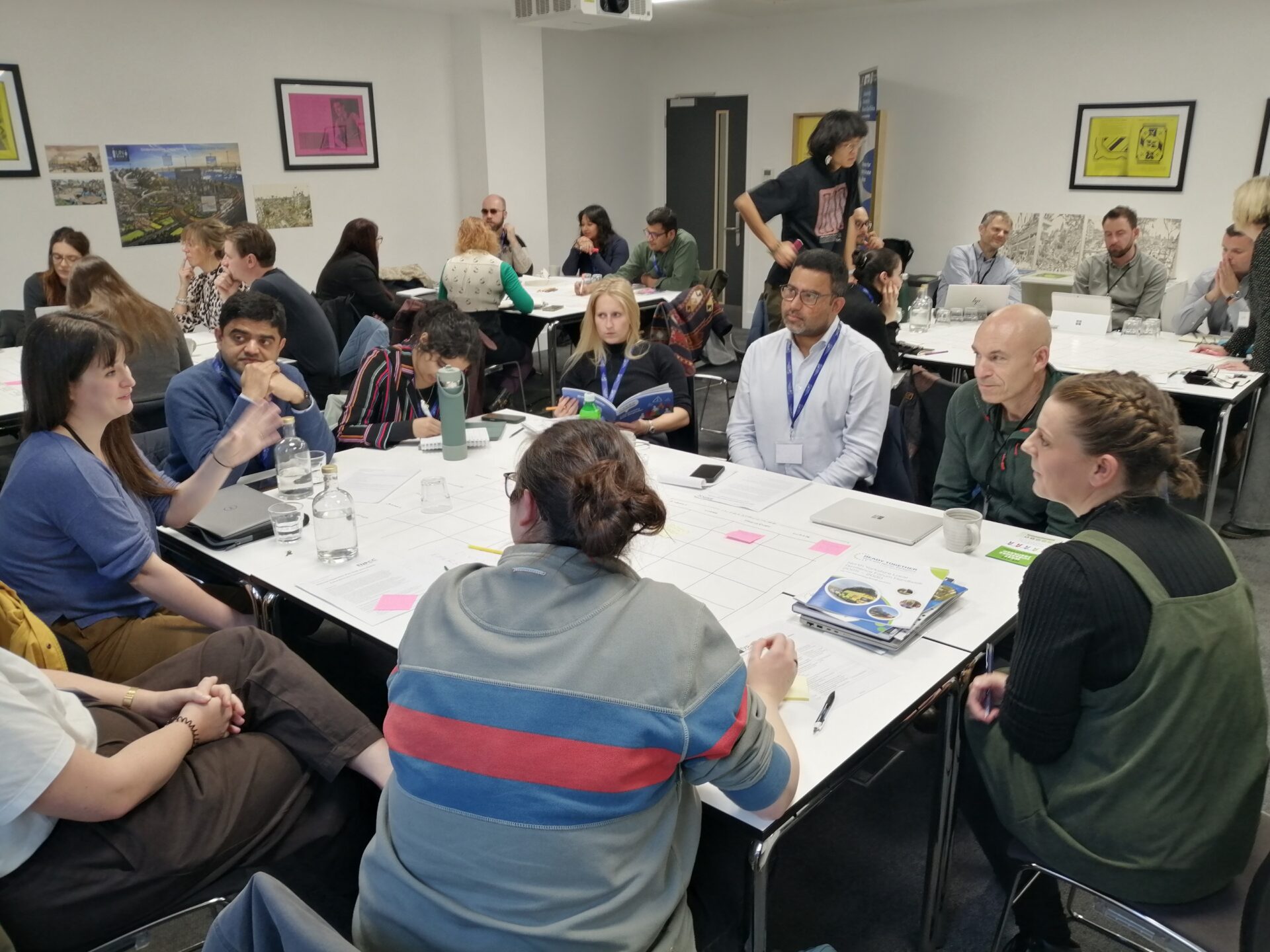
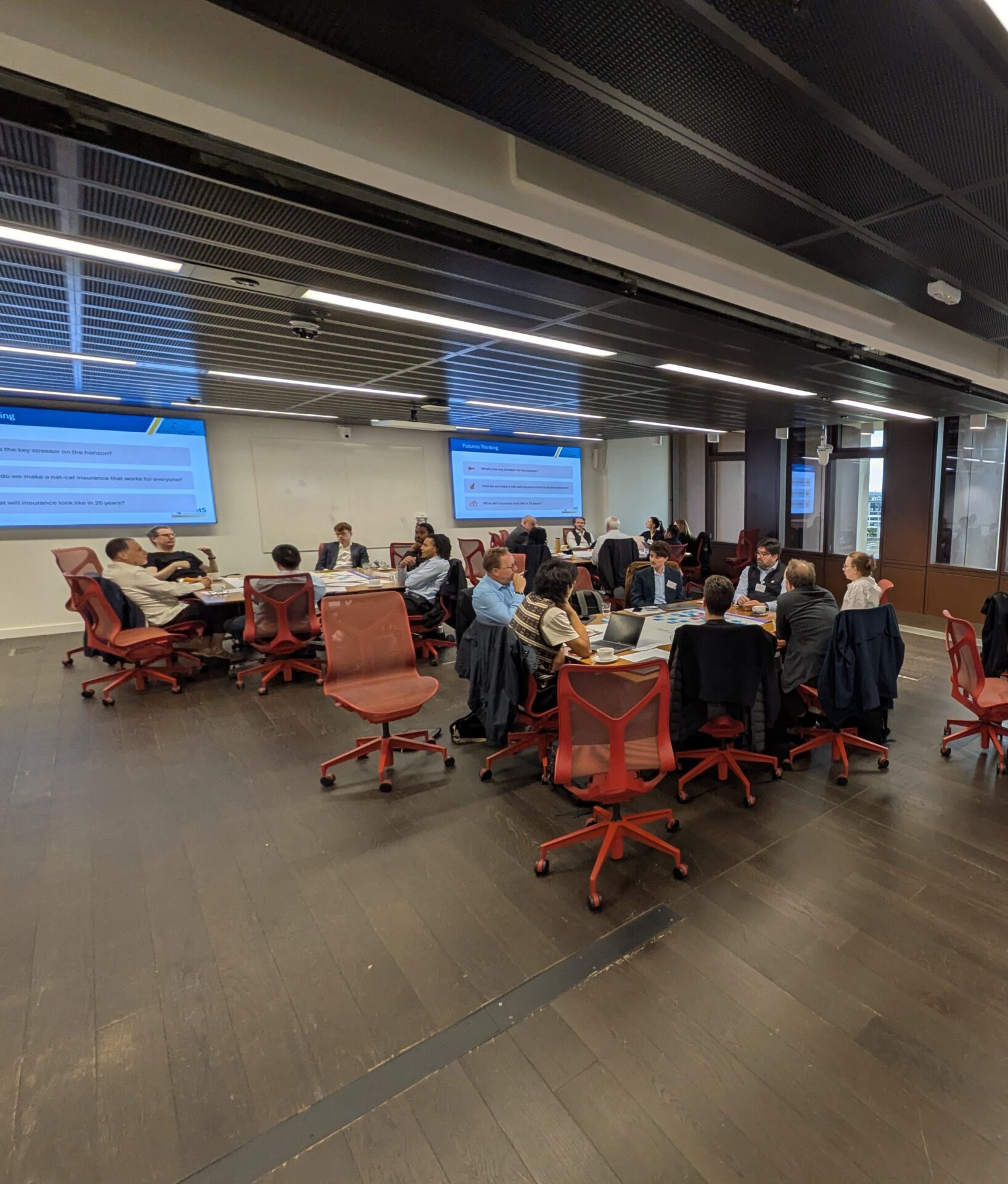
UNRISK PhD students from Leeds, UCL and Exeter contributed to an UNRISK-hosted workshop on Future Policing on 3rd November 2026, held at Cloth Hall Court, Leeds.
Police staff had contacted UNRISK about engaging with the National Adaptation Plan 4, in which the police sector is included for the first time, with statutory responsibility for actions to deal with climate change impacts.
The event was developed in collaboration with TYP-ACE (The Yorkshire Policing Academic Centre of Excellence) which is funded by UKRI and the police sector, with TYP-ACE academics being based in the School of Law.
After a keynote talk from Jason Lowe of the Met Office, round-table discussions took place with the group on each table dealing with a key theme: Crime, Emergencies, Operations and Infrastructure.
UNRISK students represented relevant topics from their PhD projects on e.g. communication of uncertainty, uncertainties around heatwave modelling, and catastrophe modelling of flood risk. Dr Stephanie Bond, an UNRISK academic supervisor from the School of Geography at University of Leeds, shared resources and tools developed through iCASP (Yorkshire Integrated Catchment Solutions Programme) designed to support effective communication during floods and other emergencies, helping to strengthen community resilience.
Police staff included representatives of North, South and West Yorkshire police, the National Police Chief’s Council (NPCC), West Yorkshire Local Resilience Forum (WYLRF) and Bluelight Commercial (police procurement).
The event was part of a series of engagement activities by the police, and will hopefully lead to some fruitful research collaborations. It was also an excellent engagement opportunity for students to discuss climate change impacts, risks and uncertainty with stakeholders who have to make big decisions using climate data, under real-world pressures.
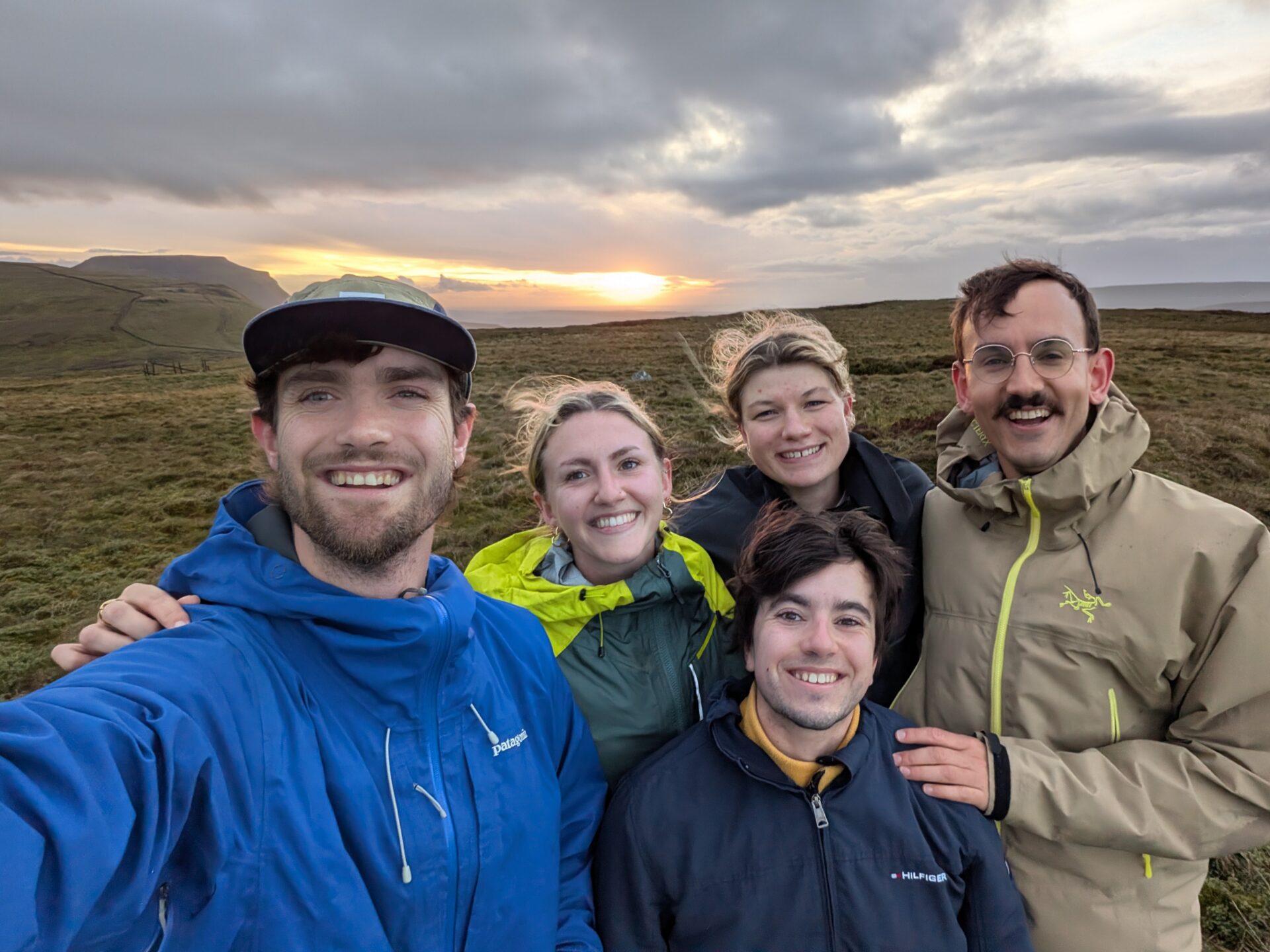
UNRISK students on the summit of Park Fell, Yorkshire Dales National Park
The 2026/27 academic year kicked off with the UNRISK induction event from 12-15 October, held partly on University of Leeds campus and partly in the Yorkshire Dales, at the University of Leeds’ base at Selside, near Horton-in-Ribblesdale.
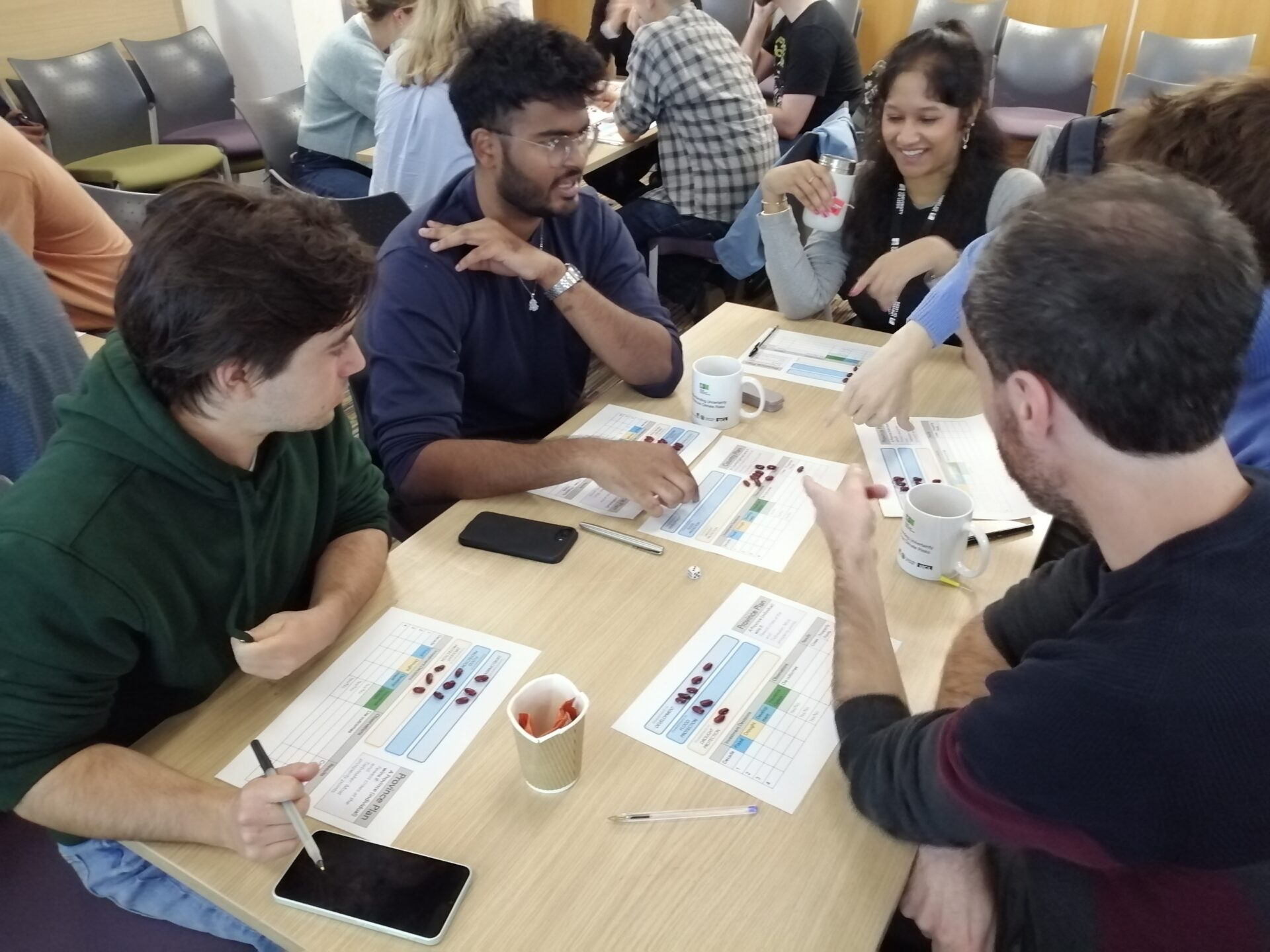
Most of the 2025 students joined the 14 new 2026 starters to make a large group. On the first day, they listened to presentations from the UNRISK team, introduced themselves, and met some UNRISK partners (JBA and Climate X) for discussions about climate careers. An icebreaker session followed, featuring a game ‘Decisions for the Decade’ run by UNRISK student Rose Crocker.
Students and staff enjoyed a meal in Leeds city centre on the Monday night, before reconvening for more presentations, and a Wikipedia editing session.
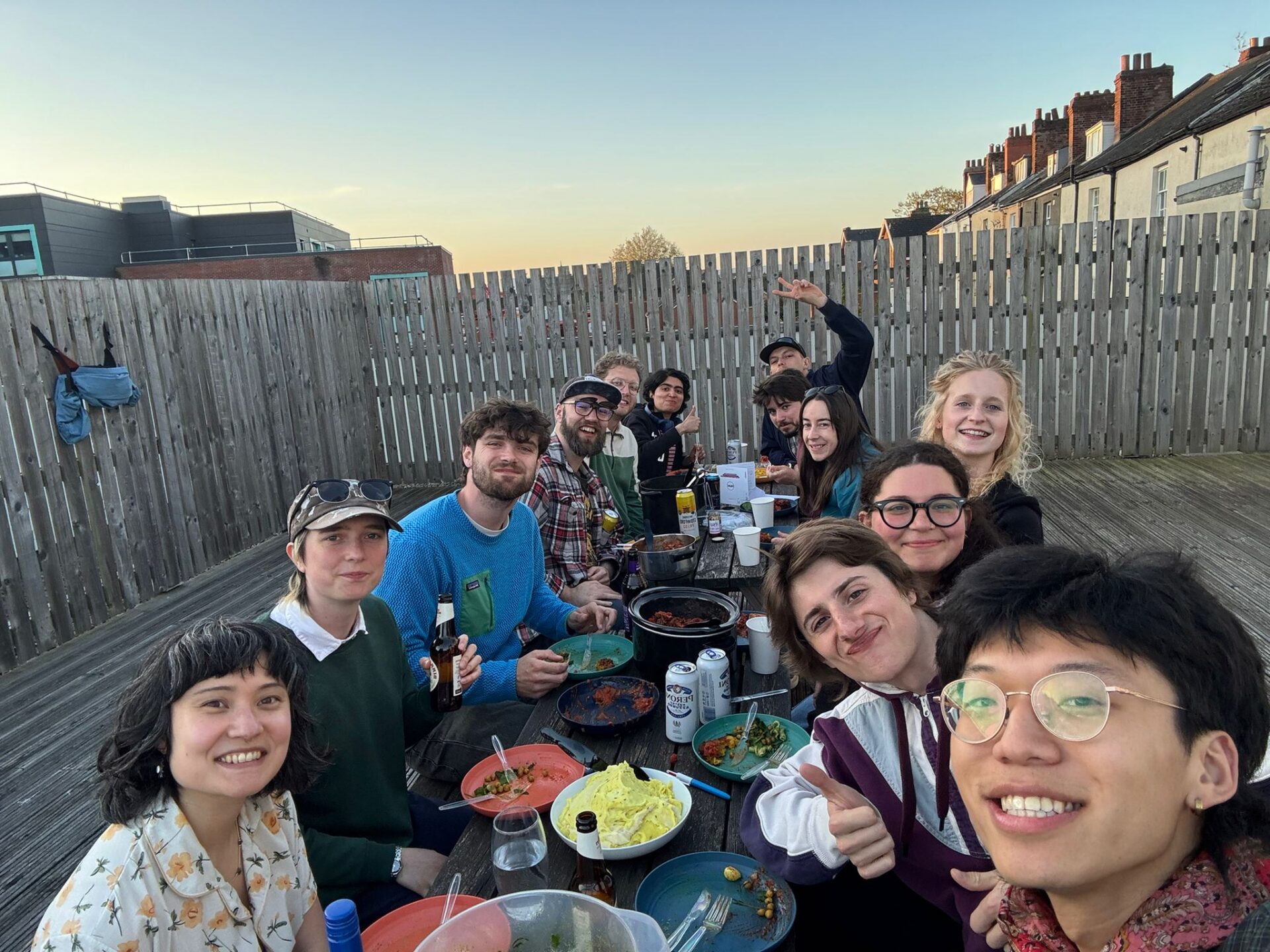
After finishing on campus, the group travelled to Selside in the Yorkshire Dales, where they cooked a meal as a group, and didn’t get much sleep in the crowded bunk rooms!
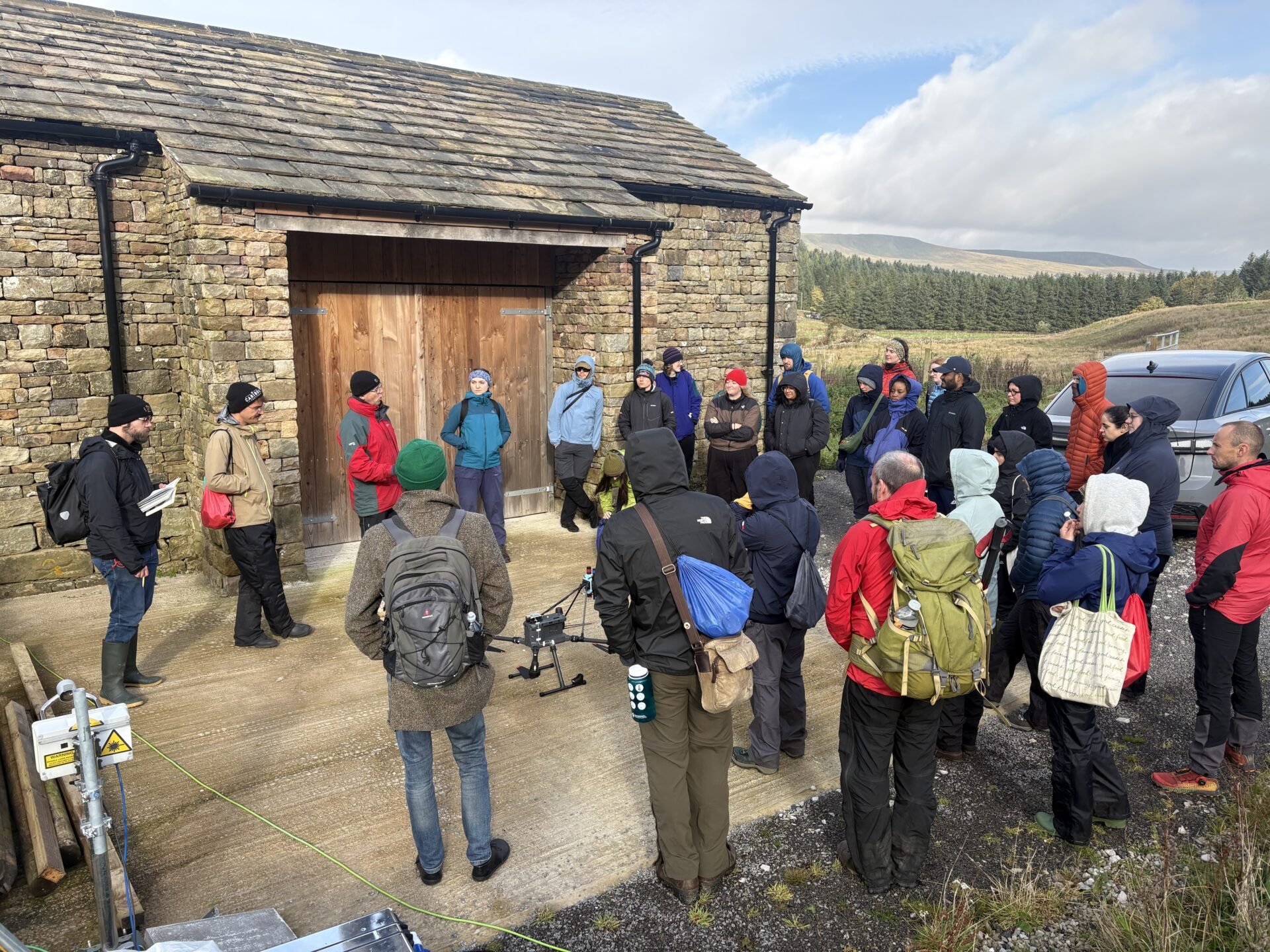
On the following day they travelled to the nearby Snaizeholme Woodland Trust Estate, which is one of the largest landscape restoration projects in England, and which hosts some Leeds research projects and monitoring equipment. Students learned about making field observations of climate, soils, water, and the uncertainties involved, including a drone demo by Menapia.
UNRISK students investigate the Menapia drone used for weather observations at Snaizeholme Woodland Trust estate.
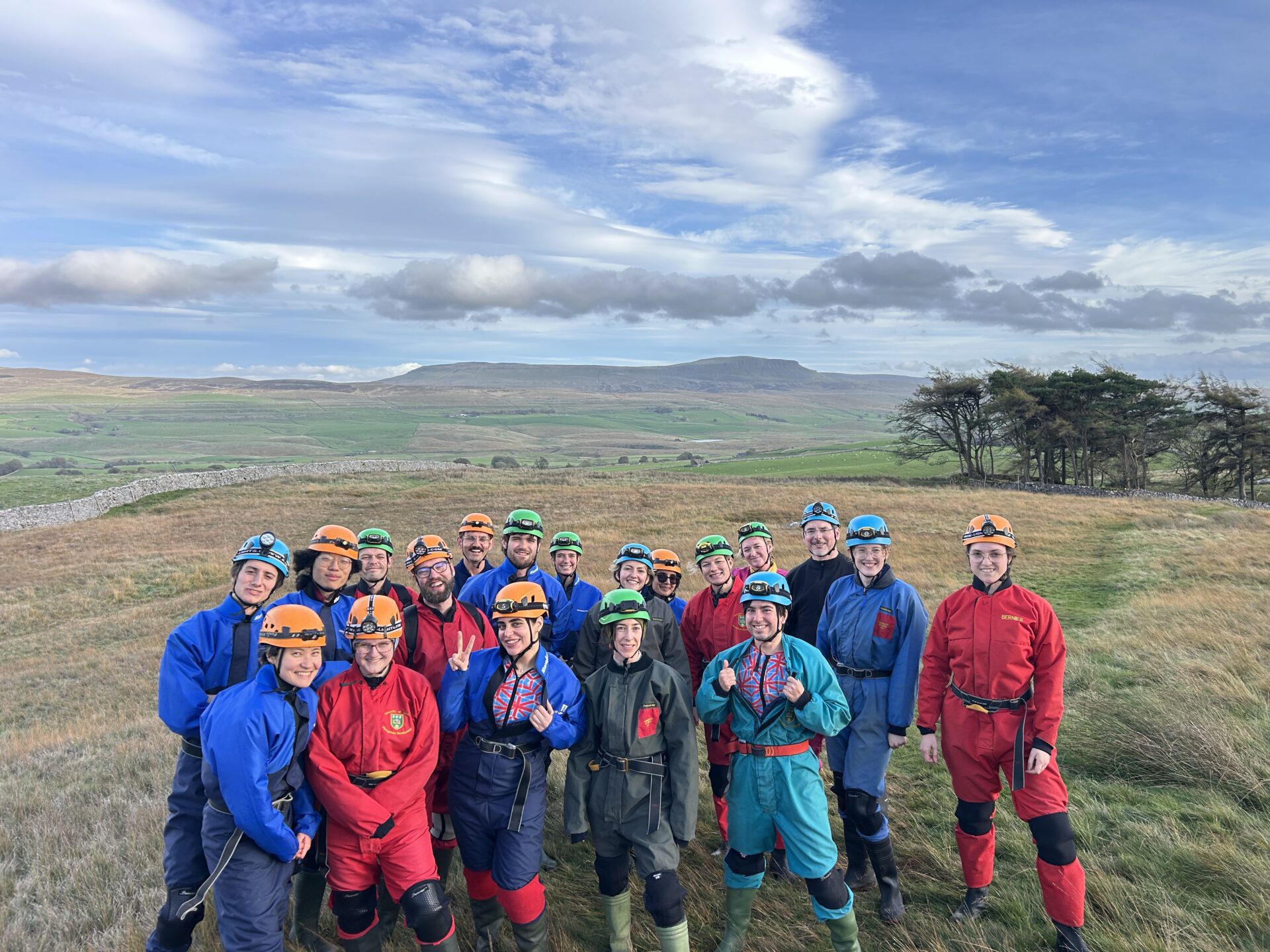
A team-building caving expedition followed, at the magnificent Selside cave network, and then a pub meal.
UNRISK students about to enter the caves at Selside.
The visit helped the two cohorts to bond through shared activities, not least the washing up over breakfast!
Introductions at academic conferences tend to follow a familiar pattern; researchers quickly identify themselves as either a modeller or an observational scientist, followed by the topic of their current work. The specialisation of skills required in research tend to reinforce this division, with most scientists gravitating towards one approach or the other, and some dabbling in-between. Despite this separation, scientists vehemently agree on the critical need to bridge these two communities. Modellers depend on observations to validate simulations and to identify limitations in their representations of atmospheric processes. Observational scientists provide the measurements which can improve the understanding of physical processes, or reveal those which are absent from model parameterisations. The relationship is reciprocal: modellers need observations to ensure simulations are grounded in reality, while observers need guidance from models to prioritise which measurements will most effectively constrain poorly-understood processes to ultimately reduce uncertainty.
The scientific community has been making strides in fostering productive dialogue between these communities through collaborative research projects and cross-disciplinary workshops and meetings. As this culture of collaboration strengthens, an important question emerges: how can early-career researchers contribute to and benefit from this exchange? One powerful way to enrich this connection is for modellers to become involved directly in fieldwork.
Even if you are fully committed to the modelling side of research, participating in field campaigns offers invaluable insights that cannot be gained from working with datasets alone. Firsthand experience with instrumentation deepens your understanding of the practical realities of the measurements, ultimately improving your skills as a scientist. As someone who works at the intersection of both communities, having spent considerable time operating and maintaining instrumentation in the field over numerous campaigns as well as interpreting atmospheric model data, I have found that this dual perspective fundamentally shapes how I approach research.
Becoming familiar with the instruments that generate the data you use in your model validation provides vital context for interpretation. Each instrument has strengths, weaknesses and sampling limitations that are well understood within the observational community, but often get lost in translation when unfamiliar users download the data online. For example, while an instrument may report data on a broad range of aerosols measured, observers may know which areas of that range are most reliable. These nuances can profoundly affect how you may choose to use and interpret the data.
You will also develop critical insights into recognising that observations are themselves interpretations rather than absolute truths. Measurements represent a particular sampling of reality through a specific technique. For example, we never directly measure temperature. Instead, we often measure a change in voltage or resistance, which are then converted to the units you recognise through specific calibration functions. This perspective, which I emphasise when teaching observational science to undergraduates, provides a crucial understanding of one of the inherent uncertainties in measurements.
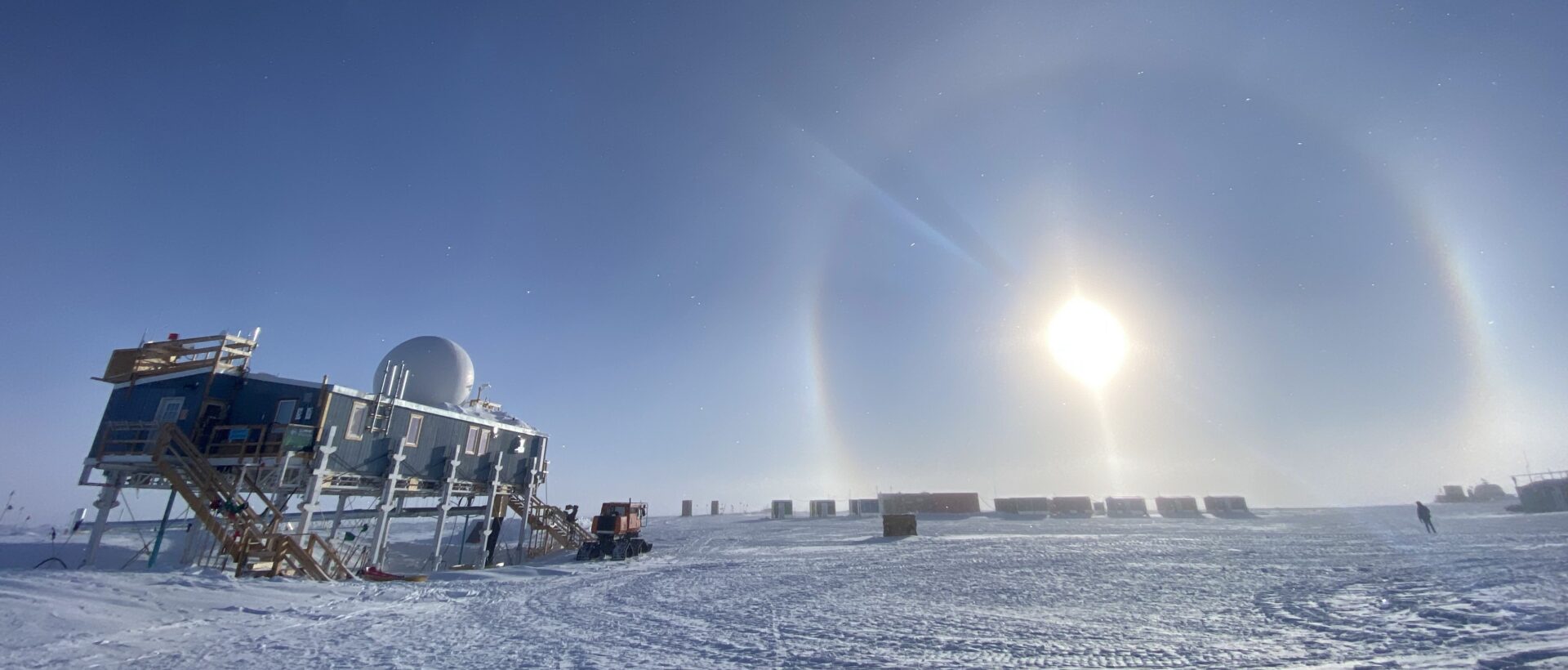
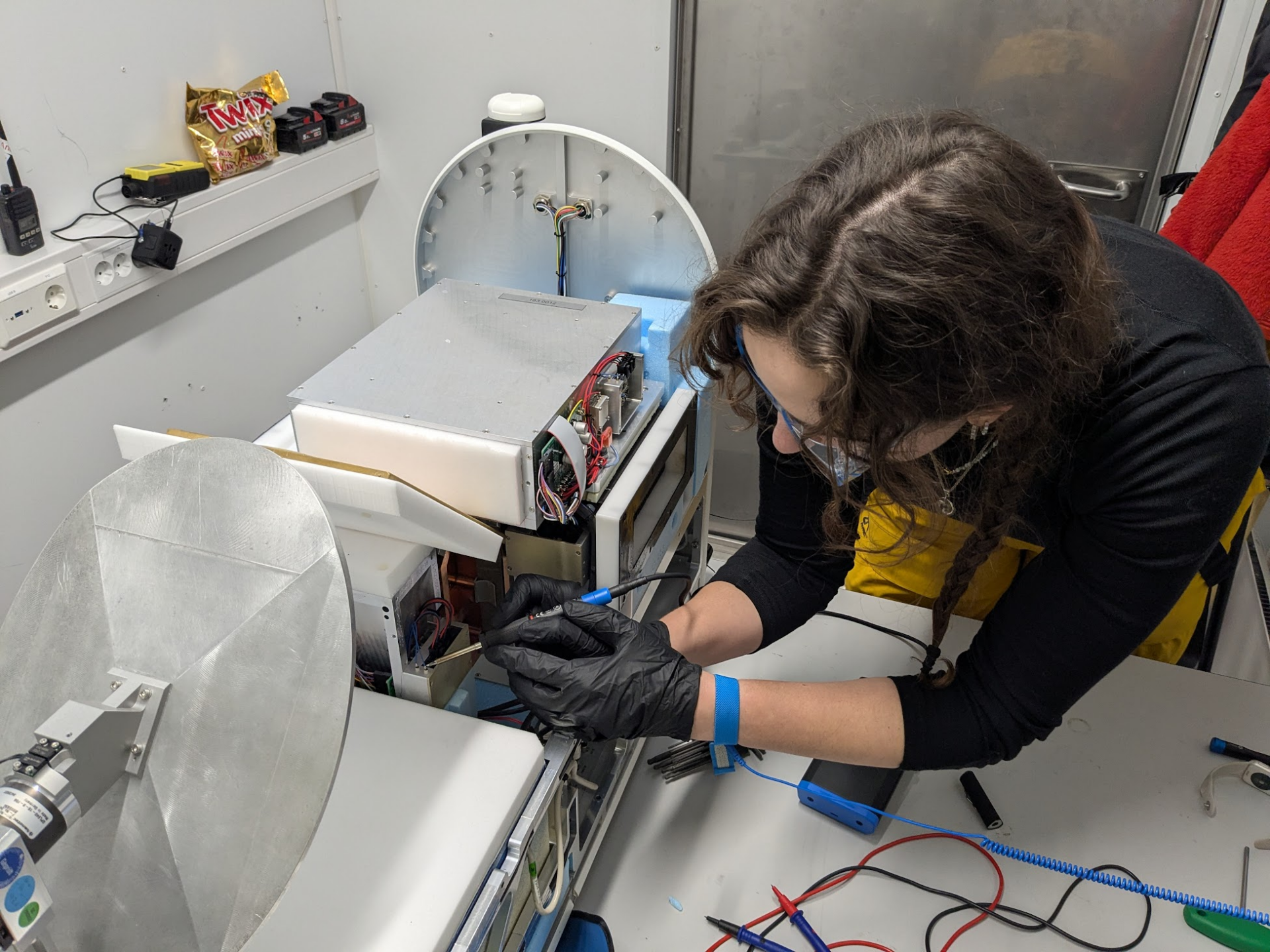
Appreciating the fallibility of instrumentation is key. Unlike models, scientific instruments require maintenance at regular intervals, and are susceptible to something known as drift. This describes a gradual deviation in measurements over time due to aging and environmental factors, necessitating frequent calibration of equipment. For example, on my to-do list while deployed on the Greenland Ice Sheet was calibrating an instrument with known standards. Watching the analysis software show a lonely calibration peak far away from where the instrument thought it should be particularly drove this message home. After some careful tinkering with a toolbox, I made a note that this dataset prior to calibration would need extra scrutiny during data processing post-campaign.
During this post-processing stage, choices are made that may or may not align with your specific scientific questions. Quality control procedures can utilise multiple sources of measurements to screen for certain conditions, such as periods of local pollution. Understanding these techniques can help you to navigate these decisions more effectively and ultimately determine which observational dataset is most appropriate for your research. (When in doubt, reach out to the data owners if you are not familiar with the measurements! They will likely be thrilled that someone is using their published data and can provide valuable guidance.)
Participating in fieldwork also gives you a deep appreciation for the extraordinary effort required to generate the datasets that modellers can easily download online. Behind each measurement are vast teams of people coordinating logistics, administration, planning and permits, observers spending long days collecting data, monitoring and fixing instruments, and scientists conducting the complex yet essential quality control and processing after the campaign ends. Once you too have spent hours diagnosing and fixing an instrument that is acting up after being thrown around on a ship rolling through heavy seas, you develop a different perspective on data gaps. The missing section in a dataset is not just an inconvenience, it represents someone’s exhausting troubleshooting session in likely challenging conditions. This context makes you not only more sympathetic to observational limitations, but also more thoughtful about how you interpret and use the data in your models.
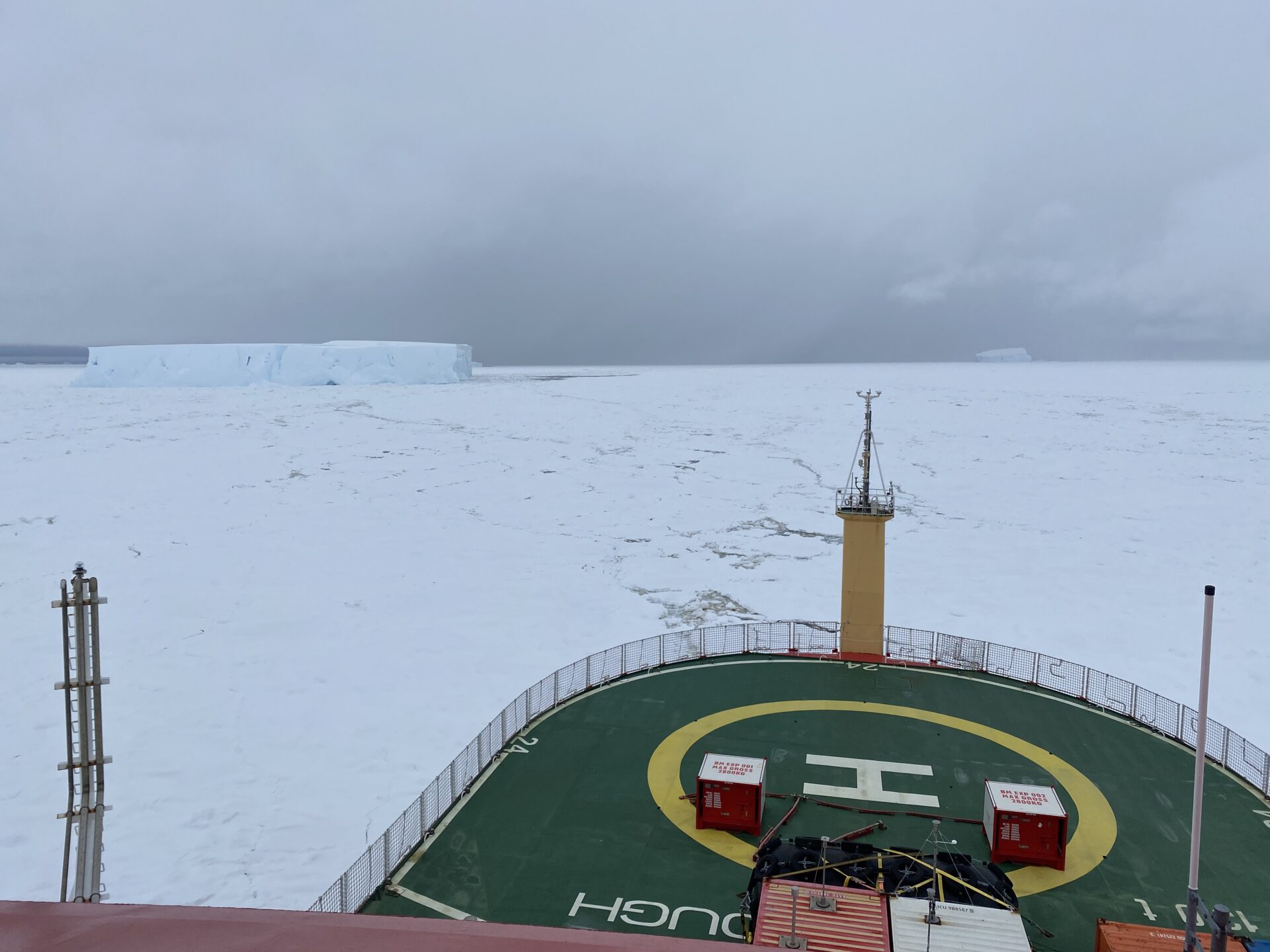
Finally, do not forget the importance that your expertise as a modeller can bring to the observational community. Your perspective may provide valuable insight and enable greater overall scientific output of a campaign. As a modeller, you are uniquely positioned to identify measurement gaps and advocate for specific instrumentation to be included in future observational suites. After one campaign where I spent two months in the Southern Ocean managing over 15 instruments, I only realised during my subsequent model analysis how much more informative my work would have been if we could have included one additional instrument. (That instrument is now firmly on my wish list for the next campaign).
Getting familiar with how an instrument operates on deployment with the TONe-ICO project/Norwegian Polar Institute
To those of you finding yourself of a more modelling persuasion, I would encourage you to reach out to your observational community. Most field campaigns do need experienced technicians to meet the demands of the project, but you might be surprised at the opportunities available – some campaigns simply need keen and motivated people willing to help. Field schools and research ship cruises are often designed specifically to foster this kind of cross-community dialogue, and I would highly encourage you to seek them out and apply. Your experiences in observational science will make you not only an informed and knowledgeable modeller, but also a well-rounded scientist and a more thoughtful collaborator and colleague.
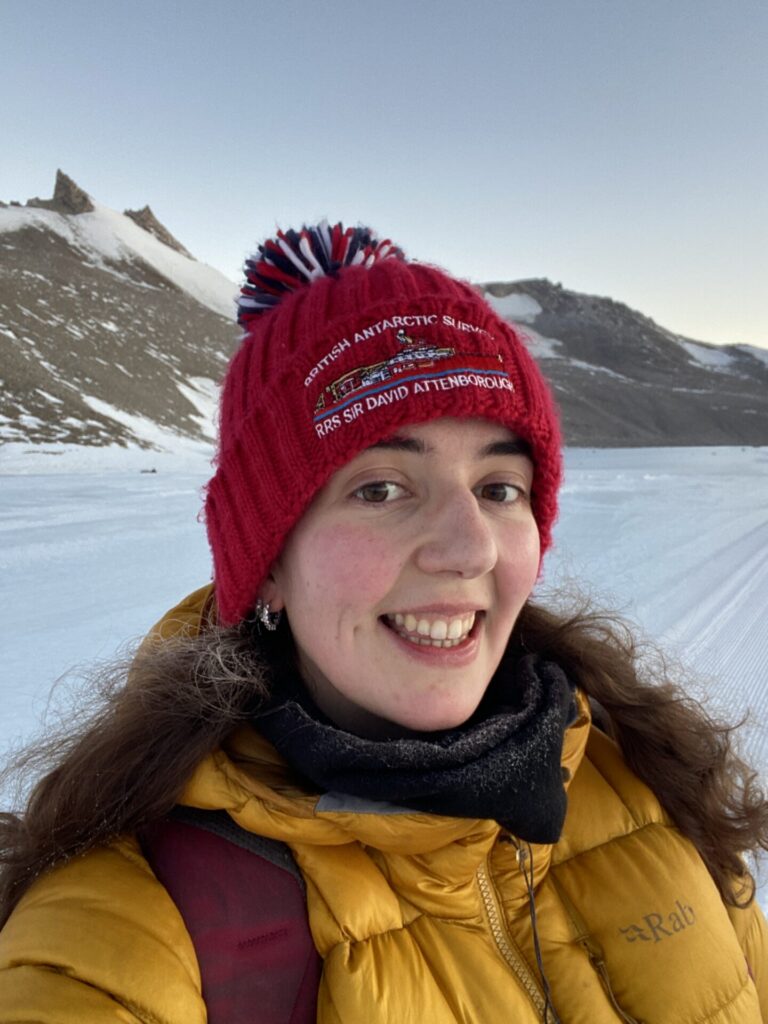
Imogen Wadlow is a 4th year PhD student using observations to constrain the representation of Arctic aerosols in a global climate model. She has been involved in several polar field campaigns, including supporting aerosol measurements at Summit Station, Greenland with the ICECAPS-ACE project, measuring Ice Nucleating Particles in Antarctica with the SOC campaign, and installing surface radiation and remote-sensing instrumentation at Troll Station, Antarctica as part of the TONE-ICO project. Here, she reflects on her experiences across field campaigns and discusses the value of observational experience for atmospheric modellers.
UNRISK students Dylan Dearnaley and Ella Thomas presented posters at the 6th National Climate Impact, Risk and Adaptation Meeting, held in Leeds on 8/9 September, at Cloth Hall Court.
Dylan’s poster was entitled: “Rainfall, ground movement and landslides: the implications of climate change for the UK rail network”.
Ella’s poster was entitled: “Future changes to African easterly waves and West African rainfall extremes in an ensemble of convection-permitting pan-African simulations”.
CDT manager James Mckay also presented a new poster for UNRISK representing multiple PhD projects as a graphic explainer.
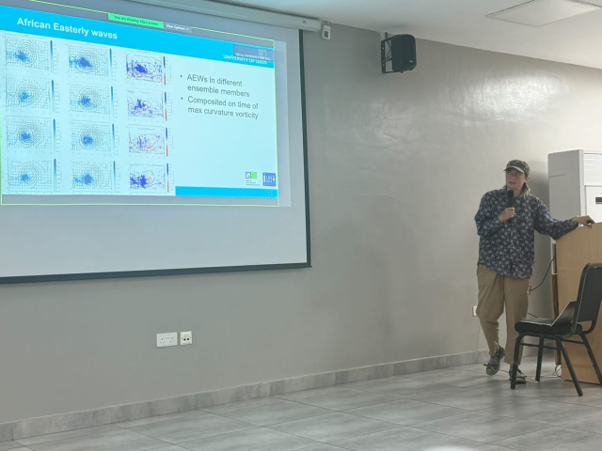
Ella presenting work at the Ghana workshop: Image: Ella Thomas
In June 2026, UNRISK CDT student Ella Thomas travelled to Ghana for a nowcasting testbed with the Early Warnings for Energy (EW4Energy) project, with researchers from the two universities in Ghana and forecasters from the Ghana Meteorological Agency (GMet). The aim was to test new rainfall forecasting products. Each day, the group produced and evaluated short-term forecasts, assessing the predictions against satellite retrievals and ground-based rainfall observations.
Ella writes:
“Tropical weather is challenging to predict. Storms can initiate with little warning and change in dramatic ways. The new products provided useful information on current rainfall, storm initiation and propagation. The collaboration meant that researchers could understand the challenges of operational forecasting, while forecasters had time to learn about useful new products. Everyone brought unique knowledge and perspectives, and I learnt a lot.
The testbed highlighted how much scope there is to improve forecasting and early warnings in West Africa. The urgency of this was clear during our trip; heavy rainfall caused flooding in Accra on June 3rd, and a flood on June 29th claimed 13 lives. My project focuses on the impacts of climate change in end-of-the-century projections, but this trip demonstrated how climate change has already dramatically altered the weather in West Africa, with devastating consequences.”
Above: participants in discussion at the 11th June event, Royal Meteorological Society.
On 11th June, a group of insurance sector partners gathered at the Royal Meteorological Society to discuss research interests within the sector. The event was convened by UNRISK management team member Erica Thompson (based at UCL), and UNRISK PhD Conor Lamb (also based at UCL), through Conor’s internship at the Royal Meteorological Society.
Participants spent the day in discussions which have led to a series of proposals for research projects. These have been circulated to UNRISK supervisors. UNRISK supervisors are now in conversation with the partners to develop the projects to the point where they can be advertised to PhD applicants in autumn 2026. They will then form the basis of the PhD projects undertaken by the cohort of UNRISK students arriving in October 2027.
This is a great example of co-creation of PhD projects with benefits for both the academic and industry teams, and an important impact stemming from Conor’s PhD project and internship.
An article about the event was written up by Conor and published July 2026 in the Journal of Catastrophe Risk and Resilience:
Conor Lamb, Erica Thompson, Anna Hardisty, Steve Sperazza, Xumeng Andy Deng, Ralf Toumi, Gregor C. Leckebusch, and Dickie Whitaker, Event Report – Understanding Research Priorities in Natural Catastrophe Insurance, Journal of Catastrophe Risk and Resilience, 2026. 10.63024/0en7-8sj4
UNRISK students came together for the 3rd and final workshop of the 25/26 academic year, at UCL in London 15th-19th June.
Alongside a cohort of students funded by the ARIA programme, they worked together in groups to solve ‘role play’ challenges set by clients in the area of decisions science. The challenge was to communicate climate data to stakeholders and policy makers to enable effective decisions.
Talks, including from Sarah Dryhurst on the perception of risk, set up the group activities. One key message from Sarah’s talk was the concept that “risk does not exist independent of our minds and culture,” demonstrating how personal experiences, emotions, and social influences can shape the way people understand risk. UNRISK team member Erica Thompson led a session considering the ethics of communicating uncertainty to the public, including policymakers.
On the third and fourth days, students took part in educational visits to organisations including the Bank of England, AxaXL, and Climate X. These trips provided an opportunity to see how the concepts discussed during the programme are applied in real-world settings. Following the visits, students returned to their project groups to prepare their final presentations. Students found it valuable to see how organisations assess and manage risk in practice, as well as the decision-making processes used.
A networking lunch was held on Tuesday 16th for both student cohorts, supervisors and other researchers linked to the programmes.
A prize was awarded for the “best group project delivering climate information for decision-makers”. Charles Benoist and Qien Cai were the UNRISK students on the winning team for their work looking at provision of climate information for Maritime Greenwich.
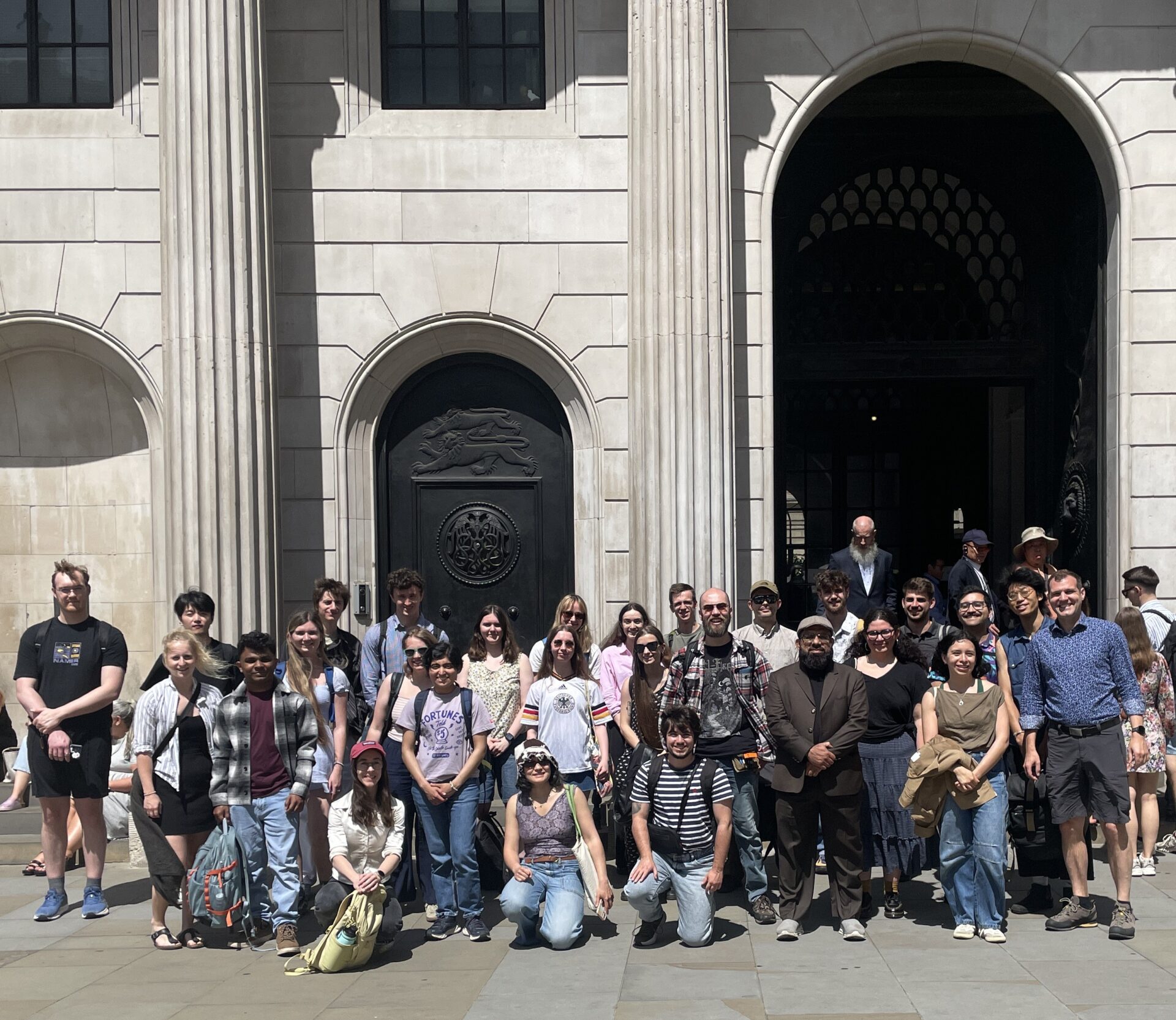
Group photo – UNRISK and ARIA students at Bank of England
Reflections on the UCL week – Soffie and Beth
Beth Dunstan, PhD researcher, UCL
My PhD looks at how people perceive threats from climate change, how those perceptions change across time and space, and how they align (or fail to align) with measured levels of environmental risk. Using the World Risk Poll and related datasets, I’m exploring where uncertainty emerges, where communication fails, and how lived experience shape responses to climate hazards, with the aim of supporting more effective risk reduction and climate resilience. This summer’s UNRISK training week at UCL ended up feeling particularly relevant, with one question repeatedly coming through our discussions on participatory decision-making, science communication, and climate action: “are we limited by the information we have, or by how we use it?”
Sophia Wisniewska, PhD Researcher, Leeds
My PhD focuses on quantifying and reducing uncertainty in the role of stratocumulus clouds in climate change. Clouds remain one of the largest sources of uncertainty in climate projections, and my research uses perturbed parameter ensembles and Gaussian process emulation to investigate how cloud responses are influenced by uncertainties in physical, microphysical and aerosol–cloud interaction processes. As someone in a highly technical PhD, I approached the UNRISK training week as an opportunity to engage with topics that sit outside my usual research focus.
Participatory decision-making
At the beginning of the week, we explored risk communication and decision-making under uncertainty. The latter session, led by Dr Andrea Taylor, took us through the history of decision theory, challenging assumptions of what constitutes ‘good’ decision-making. We discussed normative models (how people should decide), descriptive models (how people actually decide), and prescriptive approaches (how we might support better decisions in practice) [1]. Whilst ‘thinking slow’ [2] to fully weigh up multiple possible decisions is often championed over more intuitive, heuristic-based approaches, we were challenged to think of its place in climate science, where uncertainty is deep and many decisions must be made before consequences fully emerge. This concept became particularly real during our group project to advise a client (the National Trust) on climate adaptation. As each new dataset on ecology, temperature projections, rainfall, cultural heritage assets, land use and geology was added, what began as a straightforward advisory task quickly became a reminder that climate decisions are rarely neat or self-contained.
Beth: I was particularly interested in the concept of ‘recognition-primed decision making’ (RPD) [3]: the idea that experts often make good decisions, not by exhaustively comparing options, but by recognising patterns built through experience. RPD is usually used in fast-paced, pressured environments, contrasting to the longer climate timescales, however it got me thinking more broadly about the role of expertise in climate decision-making. In the age of social media, democratised information, and increasingly accessible AI tools, it can feel like anyone can become an ‘instant expert,’ but RPD suggests that good judgement goes beyond information collection, into deeper domain understanding, lived experience, pattern recognition and contextual clues built over time. As PhD students, developing this deeper understanding is a large part of what we are trying to achieve, but our discussions also highlighted that people living with risk, local communities, and practitioners all hold forms of knowledge and experience that matter deeply. Indeed, good climate decisions are not simply made for people, but with them.
Soffie: I was particularly struck by the discussion around the psychology of risk and how perceptions of risk are shaped by far more than just objective evidence. Factors such as emotions, cultural values, demographic background, and prior experience can all influence how individuals interpret and respond to uncertainty. Coming from a highly technical PhD background, I spend much of my time focused on generating and analysing data, rather than considering how uncertainty is communicated to different audiences. This session highlighted the importance of recognising that effective risk communication is not simply about presenting facts, but also about understanding how people process information and make decisions. It prompted me to reflect on the responsibility climate scientists have to communicate uncertainty clearly and meaningfully, particularly when working with stakeholders and the wider public.
Science communication
Our second set of sessions built upon this idea of what and who we include in decision-making, by diving into research ethics, communication and stakeholder engagement. A workshop with Dr Erica Thompson focused on what makes information credible, salient and legitimate, and how quickly those qualities can be weakened when scientific uncertainty becomes interpreted as disagreement, or when topics like climate and health become absorbed into wider political identities or advocacy.
Beth: The sessions on climate communication connected strongly to my own research. Climate communication is often framed as a knowledge gap: if people understood the evidence better, behaviour would change. But risk perception research repeatedly suggests otherwise. Our attitudes and behaviour are deeply influenced by our values, social norms, experience, trust and whether information feels relevant. We learnt that communication is not simply about translating scientific findings into simpler language or persuading people to agree. It is about understanding audiences, listening as well as informing, and building information that people can actually use in decisions.
This lesson was reflected in our panel discussions on stakeholder engagement, where we heard stories and advice from scientists who have worked with policy makers, journalists and local communities. One piece of advice that stuck with me was not to hand people findings and expect them to do the interpretation themselves. As scientists, we must translate them: a process which requires thinking about who is using the information and what decision they are actually trying to make.
Soffie: These sessions on climate communication helped me think more critically about how my own research fits into a wider societal context. My project focuses on quantifying uncertainty in cloud feedbacks, a topic that is highly technical and often difficult to communicate beyond specialist audiences. Through the discussions, I realised that generating robust scientific evidence is only one part of the process; ensuring that the implications of that evidence are understood by different stakeholders is equally important. The sessions highlighted the need to tailor communication to different audiences, whether they are policymakers, practitioners, journalists or members of the public, and to consider what information is most relevant to the decisions they face. Going forward, I will be thinking more carefully about how to communicate uncertainty in a way that is both scientifically accurate and meaningful to those who may use my research.
Climate action
During the latter half of the week, we visited several organisations working in climate risk, which helped bring the week’s themes into a more applied context. The visit to ClimateX, a climate risk intelligence consultancy for financial services and real estate owners, was a refreshing look into how research and development are conducted outside of an academic setting. We had several talks from scientists in the business who were developing risk models and frameworks for financial services. We also visited the Bank of England, where we had a discussion with the director of climate risk about the impact of climate change on the financial system.
Beth: It was these visits that really brought home the question of “are we limited by the information we have, or by how we use it?” A sobering session on tipping points and possible AMOC collapse at the Bank of England reminded me that uncertainty is not always a sign that more data is needed. Perhaps the constraint is less about understanding the system in ever greater detail, and more about how we respond to the knowledge we already have. Indeed, as we become increasingly rich in data, models and projections, the challenge now lies in ensuring this knowledge is effectively translated into coordinated action.
Soffie: The partner visits were particularly valuable in showing how the concepts we had discussed throughout the week are applied in practice. Seeing organisations such as ClimateX and the Bank of England grapple with climate risk highlighted the real-world challenges of translating scientific evidence into actionable decisions. It was interesting to see how risk communication, stakeholder engagement, and differing perceptions of uncertainty all play a role in shaping responses to climate change, particularly in sectors where decisions have significant financial and societal consequences. These visits reinforced the idea that producing robust science is only part of the challenge – ensuring that evidence is communicated effectively and incorporated into decision-making processes is equally important. They also provided a useful perspective on the diverse ways climate science can be applied beyond academia to support adaptation and resilience.
[1] Bell, D. E., Raiffa, H., & Tversky, A. (Eds.). (1988). Decision making: Descriptive, normative, and prescriptive interactions. Cambridge University Press.
[2] Kahneman, D. (2011). Thinking, fast and slow. Farrar, Straus and Giroux.
[3] Klein, G. A. (1993). A recognition-primed decision (RPD) model of rapid decision making.
Supervisors: Claudia Alvarado and Arthur Lamoliere
Contact: Arthur Lamoliere pjrw0504 @ leeds.ac.uk
Climate change is driving rapid glacier retreat worldwide, altering the physical and chemical conditions of glacier-fed rivers and leading to widespread changes in river ecology.
Macroinvertebrates, which include aquatic insects, worms and crustaceans, are key components of these ecosystems which contribute significantly to aquatic and terrestrial food webs and are integral in nutrient and carbon cycling, organic matter decomposition and the maintenance of high water quality (Milner et al., 2017). They closely interact with stream water and substrates, and as such they can be sensitive to changes in the stream environment that occur as glaciers retreat.
Research has shown that river habitats are becoming fragmented and some macroinvertebrate species are becoming range restricted as glaciers are lost, with notable impacts on community diversity and composition as well as ecosystem function (Milner et al. 2011; Brown & Milner, 2012; Jacobsen et al. 2012). Most notably, rare and cold‑adapted macroinvertebrates are increasingly being replaced by generalist species as environmental conditions shift. As specialist species disappear, shifts in community composition can trigger cascading impacts throughout the food web and disrupt key ecosystem functions by altering energy flows, nutrient cycling, and carbon dynamics, ultimately reducing the stability and functioning of glacier‑influenced ecosystems (Losapio et al., 2025).
In the European Alps, climate model projections indicate that around half of the region’s glaciers may disappear within the next two decades. Assessing the resulting impacts to freshwater biodiversity is therefore essential to inform conservation management and decision-making under accelerating climate warming. A recent study in the European Alps indicated that for the entire alpine zone, existing invertebrate datasets are only strong enough to make predictions about future biodiversity changes for 13 macroinvertebrate species (Wilkes et al., 2023). To put this into context, the rivers of the European Alps are home to hundreds of invertebrate species.
This project will investigate how freshwater invertebrates respond to glacier retreat in a glacier‑fed river system of the Hohe Tauern National Park in the Austrian Alps, with the aim of assessing biodiversity changes and the risk of local species losses linked to ongoing ice loss. The student will be supervised by PhD researchers and postdoctoral staff in the University of Leeds School of Geography, working closely with the River Basin Processes and Management Cluster and linking into the wider water@leeds network. During the placement, the student will develop their own focused project within the broader research framework. They will conduct a short literature review and design a research plan, carry out fieldwork and laboratory analyses, and present their findings to the research group.
The student will carry out an independent research project with close supervision and regular interaction with the research team.
Week 1 – Reading, Literature Review, Team Meetings The student will conduct background reading on glacier‑fed river ecosystems, complete a short literature review, and meet the supervisory team to refine their project aims and research design.
Week 2 – Fieldwork The student will participate in fieldwork, sampling Alpine glacier‑fed rivers (subject to logistics and approvals). Tasks will include collecting invertebrate samples, measuring environmental parameters using handheld electronic sensors, and assisting with site‑based data recording.
Week 3-4 – Laboratory Work and Basic Data Analysis Working in the School of Geography laboratories, the student will process a subset of freshwater invertebrate samples and learn identification techniques. The student will receive training in preliminary data analysis including initial data entry and quality control of results, biodiversity metric calculation and basic statistical exploration of the results, with the opportunity to integrate new sample data with our existing datasets.
Weeks 5–6 – Write‑up and Presentation The student will write a short project report summarising the methods, results, and their interpretation with reference to the literature. They will be invited to present their findings in student-led meetings and to the wider research group on completion of their placement.
The student will have weekly touch‑base meetings with their main supervisor. Both the student and supervisors will be present regularly in the office or laboratory, ensuring the student is fully supported and never working without guidance. They will integrate with ongoing research in the River Basin Processes and Management Cluster and interact with other School of Geography PhD students, postdocs and technical staff throughout.
By the end of the placement, the student will have developed skills in:
literature review and research design
field sampling (or lab‑focused methods if contingency plan activated)
freshwater invertebrate identification and sample processing
data management and applied statistical analysis
scientific writing and oral presentation
Contingency Plan
If fieldwork is not possible due to logistical or administrative constraints, the project will move to a laboratory-based exercise, with expanded sample processing and data analysis to ensure a complete research experience. This will draw on a bank of our existing samples that are awaiting laboratory processing.
Claudia Alvarado — PhD Researcher Claudia will co‑supervise the student, supporting project planning, field and laboratory methods, and day‑to‑day guidance. She also brings valuable insight as a former NERC REP student (Central England NERC Training Alliance at University of Birmingham), helping ensure an inclusive and supportive research experience.
Arthur Lamoliere — PhD Researcher Arthur will co‑supervise alongside Claudia, contributing to project design, method development, analytical support and day‑to‑day support. He provides specific expertise on alpine river species modelling and the study region through his ongoing PhD research.
Prof. Lee Brown — Professor of Aquatic Science Prof. Brown will offer overarching academic oversight and ensure scientific quality. He will provide expert input on glacier‑fed river ecology and help integrate the student into the wider research group.
The proposed Research Experience Placement will develop the student’s understanding of global change, hydrology, invertebrate ecology and environmental policy as interlinking areas of environmental research. The student will gain an interdisciplinary approach to research, which is a valuable skill sought by employers. The student will be trained on the techniques necessary to practically apply their theoretical knowledge with confidence. They will gain experience with: (i) field-based health and safety, logistics, river surveyance, water sampling and benthic macroinvertebrate collection; (ii) laboratory-based microscopy and morphological identification; and (iii) data processing and statistics, including the calculation of macroinvertebrate diversity indices commonly used for biomonitoring. The practical experience gained from this placement will be transferrable to multiple settings, from UK-based river ecology research to the study of other rivers globally. Should the student wish to pursue European or alpine research after this placement, they will also benefit from learning about regional taxa and from building a desirable international fieldwork portfolio. The student will write up their results in a publication-style research paper, gaining experience in academic writing beyond the expectation of an undergraduate degree. They will additionally prepare their research for presentation at a department cluster meeting and for wider communication in the final week(s) of their placement, and in doing so will develop an appreciation of how science is translated to different audiences – including academic audiences in different fields. The student will benefit from working within the School of Geography, where they will work alongside current postgraduates and expert researchers in the fields of river ecology and glaciology. Foremost, the student will be able to use this resource to learn about the expectations and requirements of a career in research, including administrative aspects and application processes for postgraduate study. Beyond this, the student will have the opportunity to proactively begin building their own research network. This proximity advantage is not available to most prospective researchers and will thus be of great benefit to the student’s future study applications and research proposals. Beyond the remit of their placement, the student will also benefit from participation in student-led ‘ICE club’ meetings and socials, which will enhance their experience of research culture. Through the above the student will develop a suite of additional skills, including project and time management across the prescribed six-week placement period, team working within a research organisation and a sense of individual ownership towards a larger research aim.